
Lacey, WA
Garage Door Repair for Lacey Homes Built 1965 to 2004
Garage door repair for Lacey homes built between 1965 and 2004, where original torsion springs and openers from that era are starting to fail under mild, damp winters.
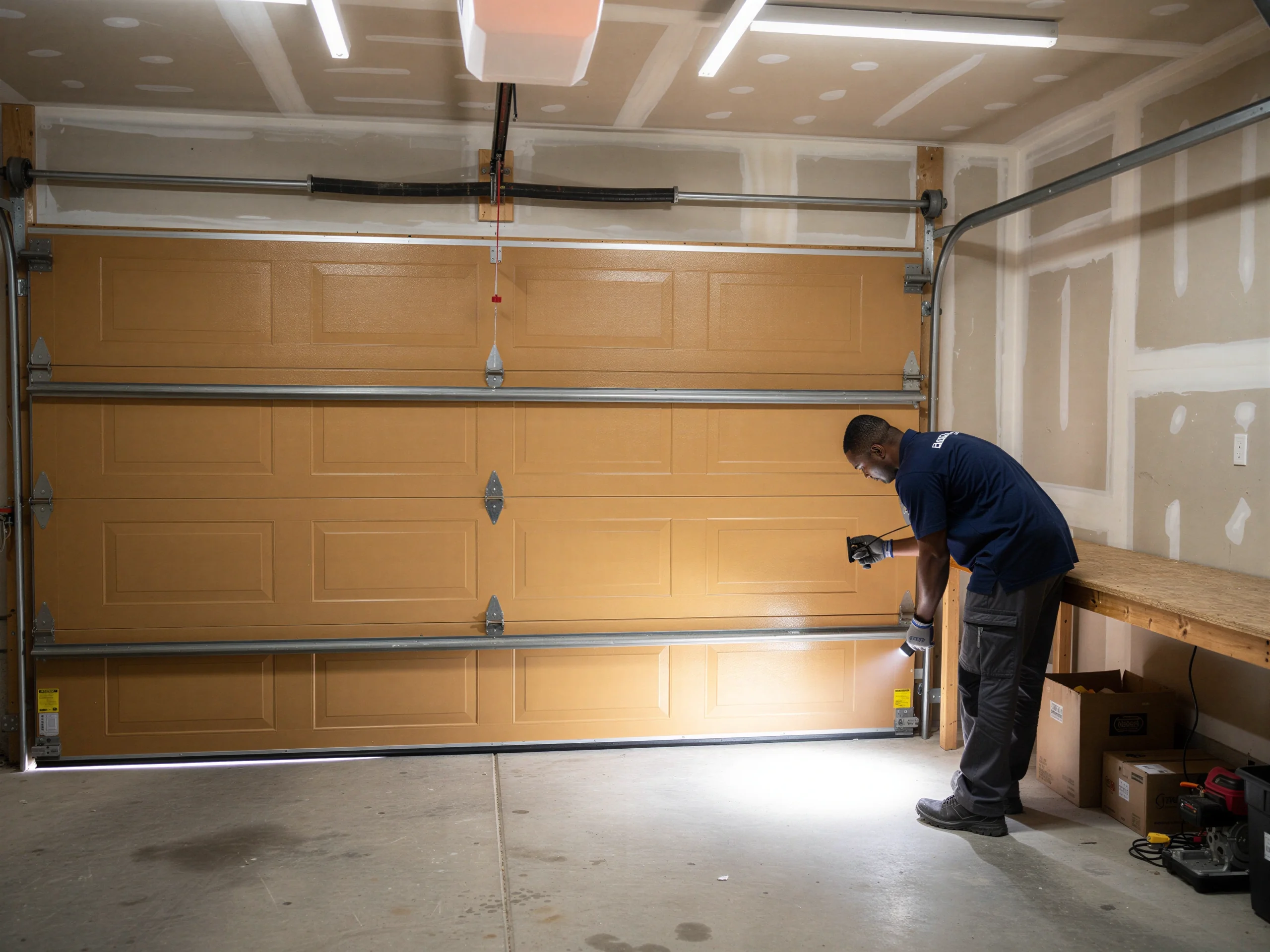
Popular Services
What You Pay
We don't post a flat number here because the job itself isn't flat. A broken torsion spring on a single door costs less than a stripped gear set inside an opener from the same era, and a door that's been limping along for months sometimes needs more than the one part that finally quit.
Spring sizing and board sourcing
What we can tell you is what drives the number up or down: whether the spring size matches what's still being manufactured, whether the opener logic board is one we can get same-week or one we have to source, and whether the track is just bent or actually worn at the rollers. We look at the door before we quote it.
Phone estimates cost twice
Over-the-phone estimates on a door we haven't seen are how homeowners end up paying twice - once for the wrong part, once for the right one. If your door was installed when the house was built, that inspection matters more, not less, because parts from the 1965-2004 build window aren't always a straight swap for what's on the shelf today.
Backordered parts tipping point
The honest limitation: if your door is old enough that replacement parts are backordered or discontinued, we'll say so rather than string along a repair that won't hold. Sometimes the repair costs more in parts and wait time than putting in a new door would.
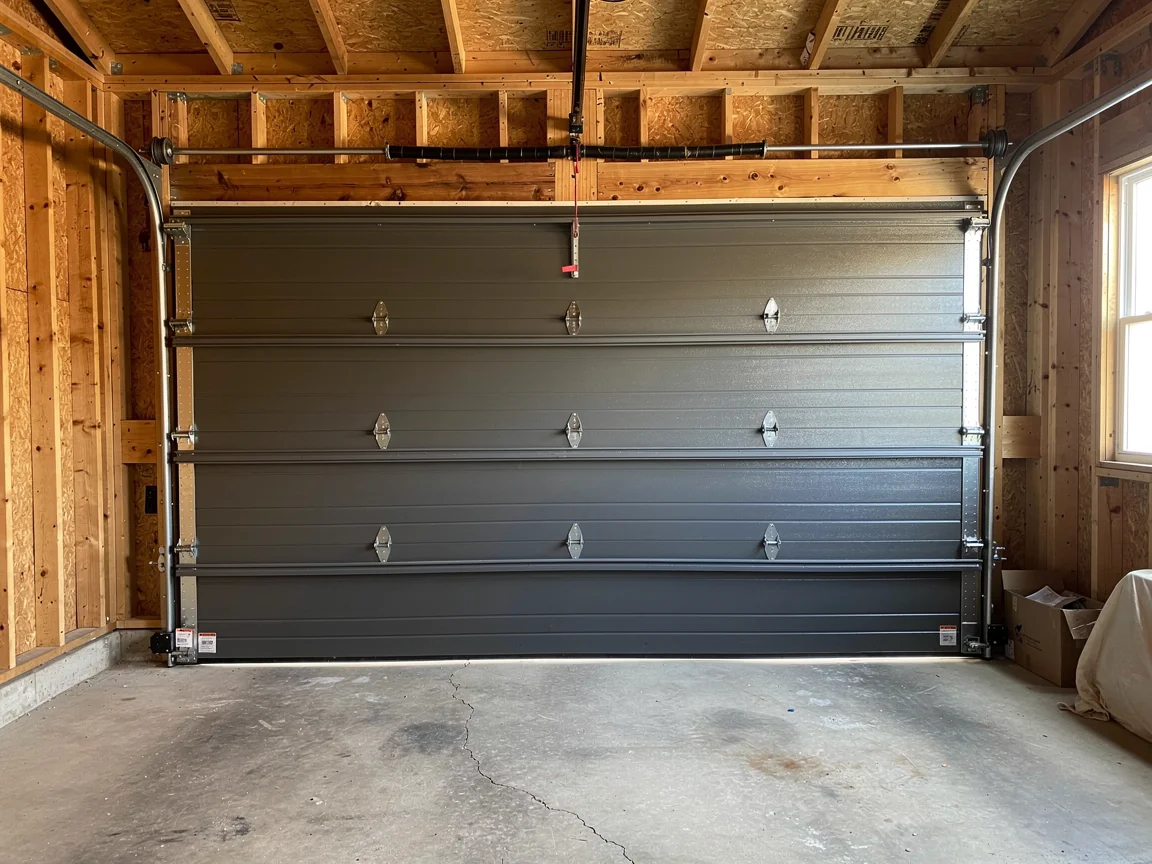
Why This Fails Locally
Most of the housing around Lacey went up between 1965 and 2004, with the bulk of it dating to the 1980s and 90s. That matters for garage doors because it means a huge share of the doors in this service area are either original to the house or on their second opener - torsion springs are rated for a cycle count, and a 30 to 40 year old spring has usually burned through its rated life whether anyone noticed or not.
The climate here is mild with occasional freeze, which sounds easy on hardware compared to harder winter regions, but it's actually a steady grind: galvanized spring coating and steel cable don't like damp air that never quite dries out between cold snaps. Instead of one dramatic failure, you get slow corrosion on the spring coils and cable strands that shows up as a sudden snap on an otherwise ordinary morning.
Put the two together - 1980s-and-90s-era hardware, year-round damp with light freeze - and you get a town where springs and cables fail on a schedule tied to the housing stock, not to any one bad storm. That's different from a market where the houses are newer or the winters are harsher; here it's slow wear on old parts, not storm damage, doing most of the work.
The Complications
A door installed when the house was built in, say, 1989 was likely matched to hardware standards that have since changed. Torsion spring wind and wire gauge weren't standardized the way they are now, so a spring that looks like a generic replacement on the shelf may be close but not exact - and close is what causes a door to hang unevenly or an opener to strain on every cycle instead of just the one it's supposed to lift.
Openers are the other complication. A logic board or circuit from a unit installed in the 80s or 90s is frequently discontinued outright, which means the fix isn't a part swap, it's a full opener replacement even though the door itself and the track are fine. We won't put a universal board into a chassis it wasn't built for just to avoid that conversation.
Lacey itself sits close to several built-up areas - Tanglewilde is about a mile off, Tumwater about seven - and houses close to those boundary lines sometimes were built or renovated with mixed-era components, a 1990s opener on an older door or vice versa. That mismatch is common enough here that we check both halves separately instead of assuming they're the same age.
How It Shows Up
The most common call is a door that won't budge and a spring that's visibly separated at one coil - that's the sudden version. The slower version is a door that groans going up, closes crooked, or reverses itself off a safety sensor that's actually fine; that's usually a spring losing tension gradually rather than snapping outright.
Motor covering for spring
On opener-side calls, the symptom is often a unit that runs but doesn't lift, or lifts partway and stops - a sign the motor is doing the spring's job because the spring already gave up most of its lift.
Gear grind before skipping
On older units specifically, you'll sometimes hear a grinding gear noise before the belt or chain actually skips, which is worth a call before it fails outright and traps the door halfway.
Kinked cable from damp winters
Cable fraying shows up as a visible kink or a door that drops unevenly on one side as it closes, more common on doors that have sat through several damp winters without the cable ever being inspected. None of these are emergencies that need to wait until the door won't open at all - catching it at the groaning-and-crooked stage is usually the cheaper call.
Questions
Common questions
Why do so many garage doors in Lacey fail around the same age?
A large share of houses here were built between 1965 and 2004, with most of that in the 1980s and 90s, so a lot of springs, cables, and openers are hitting the end of their rated life around the same time. It's less about any one storm and more about hardware aging out together across a whole stretch of housing stock.
Does Lacey's climate actually affect garage door springs?
Yes, though not dramatically. The area sits in a mild climate with occasional freeze, and that steady damp-then-cold cycle slowly corrodes galvanized spring coils and steel cable over years. It's gradual wear, not storm damage, so failures tend to show up as slow sagging or fraying before a sudden snap.
Can you always repair an old opener instead of replacing it?
Not always. Openers from the 1980s and 90s sometimes have logic boards or motors that are discontinued, so the door and track can be fine while the opener itself has no replacement part available. When that happens we'll tell you directly rather than patch something that won't hold.
How do I know if it's the spring or the opener?
If the door is heavy to lift by hand with the opener disconnected, it's almost always the spring. If it lifts easily by hand but the opener struggles, stalls, or reverses, the motor or logic board is more likely the problem. We check both before quoting a fix.
Explore more
Explore More Services In Lacey, WA
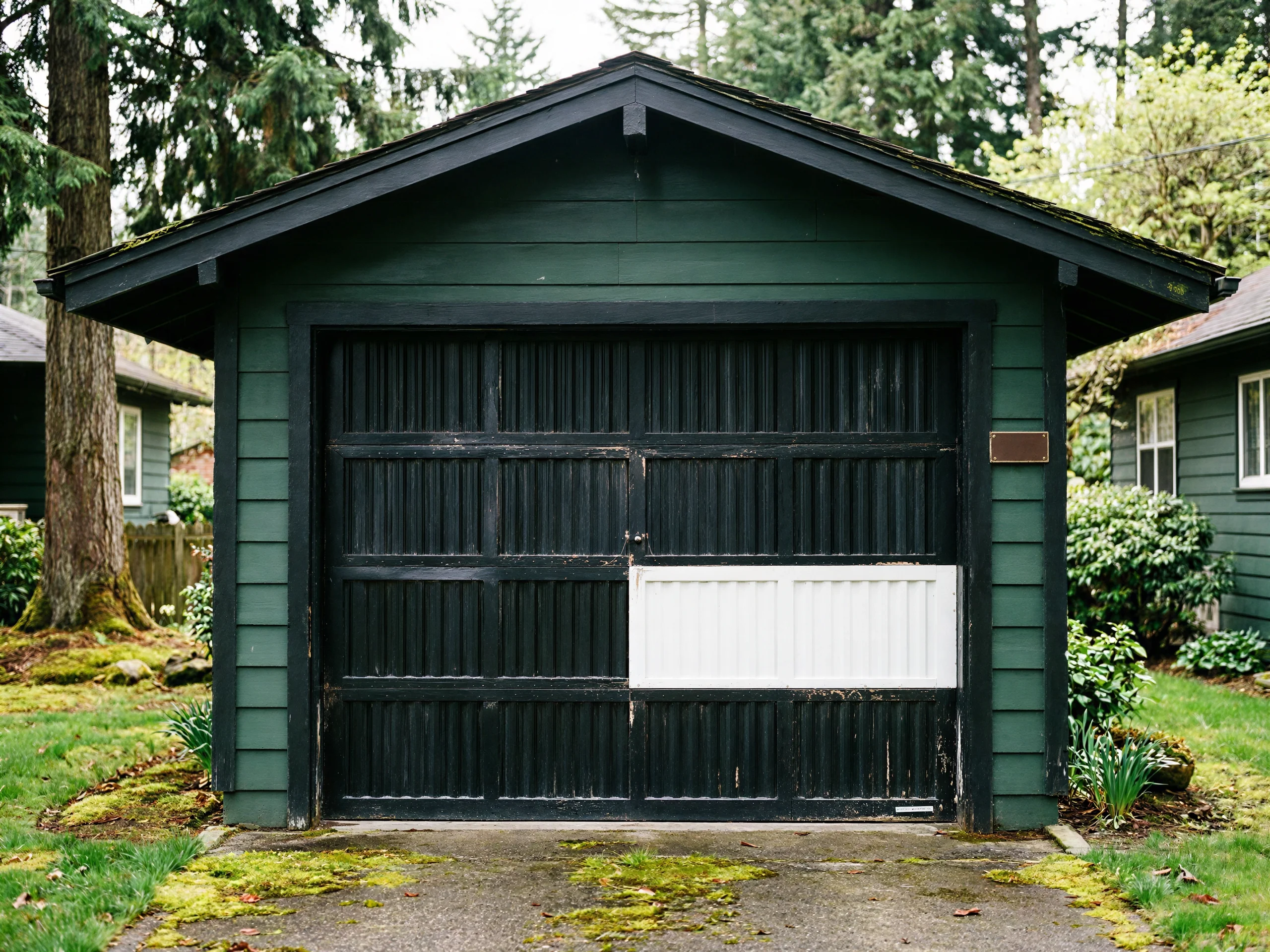
Garage Door Panel Replacement, Lacey WA
Panel replacement for Lacey's 1980s-90s garage doors - why matching old panels fails, what drives cost, and when a full door beats a patch job. Learn more →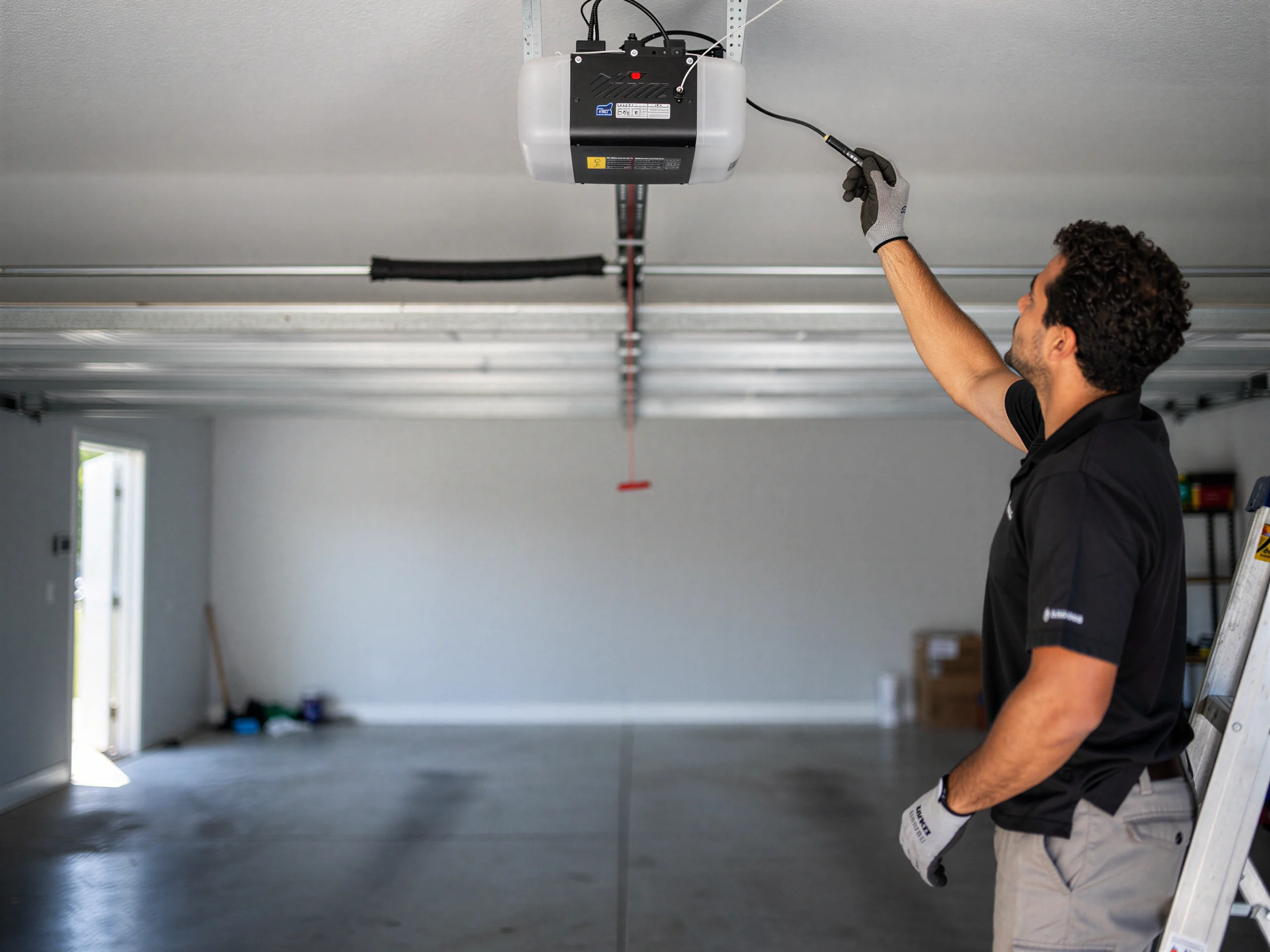
Garage Door Opener Repair for Lacey Homes
Opener repair for Lacey homes built mostly 1965-2004, where original hardware and mild, damp winters wear down drive gears and circuit boards together. Learn more →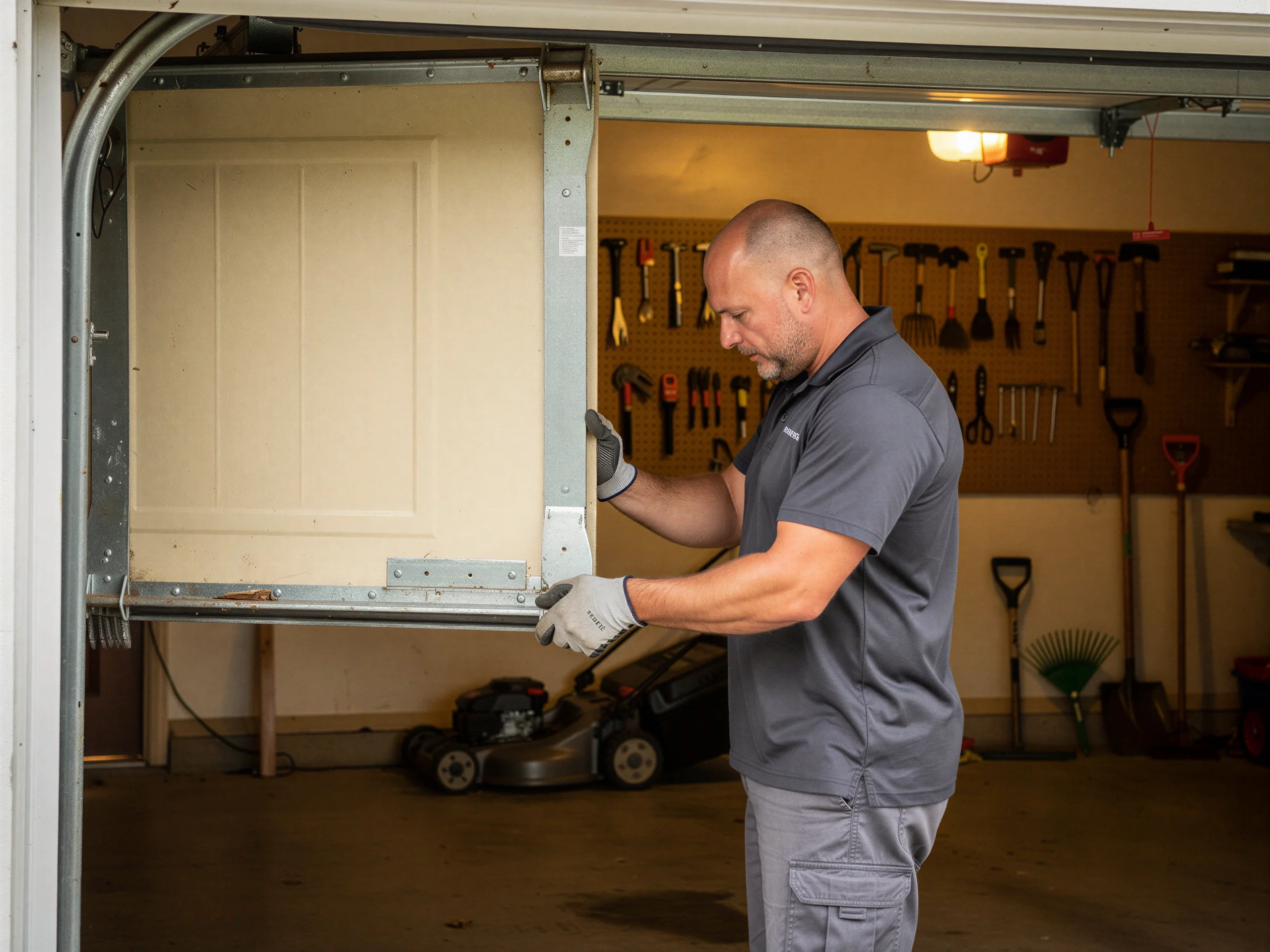
Garage Door Service for Lacey's 1980s and 90s Housing Stock
Garage door service for Lacey homes built mostly between 1965 and 2004, where original torsion springs and openers are now reaching the end of their rated cycle life. Learn more →
Garage Door Maintenance Built Around Lacey's Housing Stock
Garage door maintenance for Lacey homes built mostly between 1965 and 2004, matched to the mild, damp Puget Sound climate that wears down springs and tracks here. Learn more →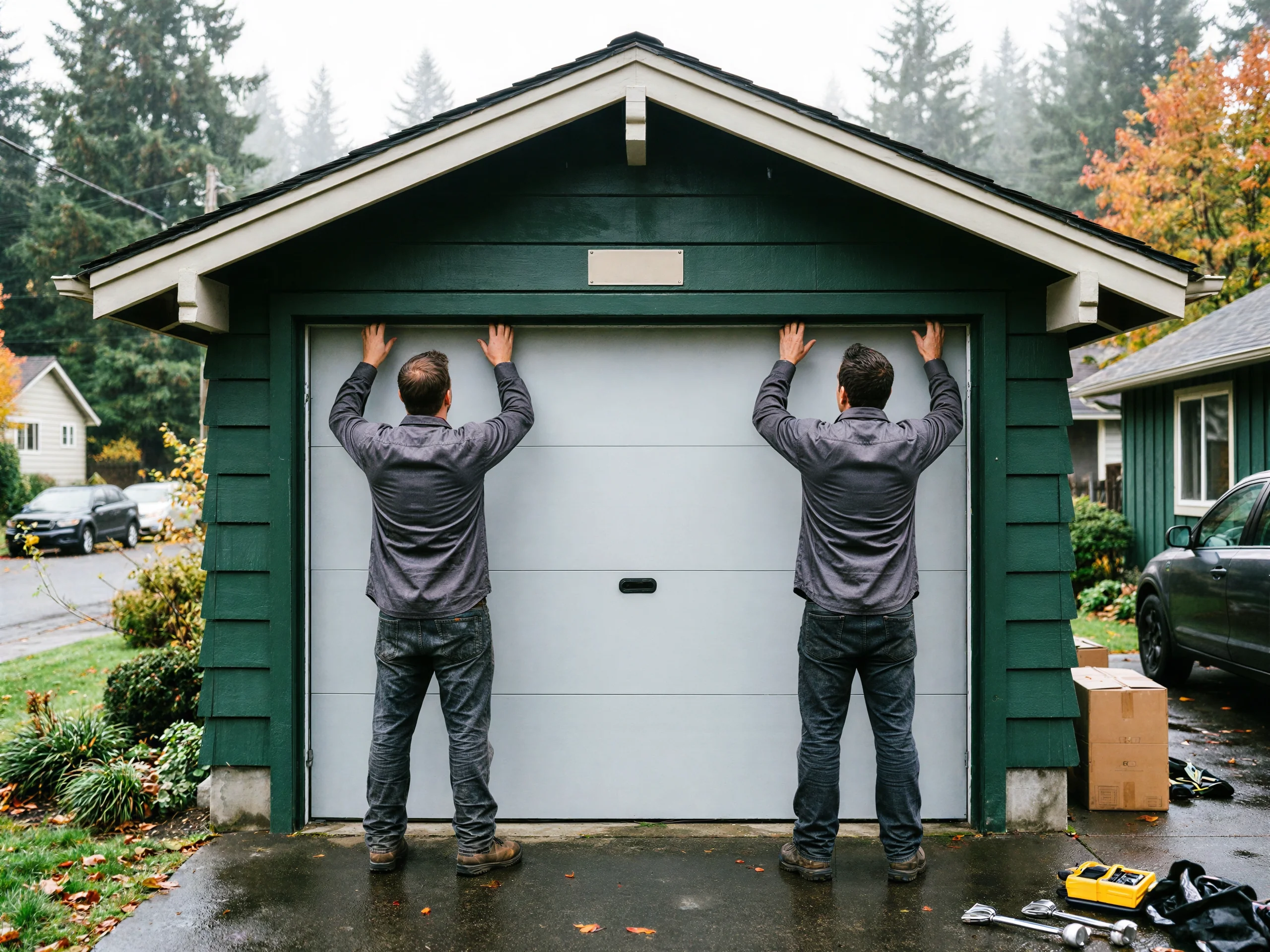
Garage Door Installation for Lacey's 1965-2004 Housing Stock
Most Lacey homes date to 1965-2004, and that era of door and track hardware fails in predictable ways. Learn more →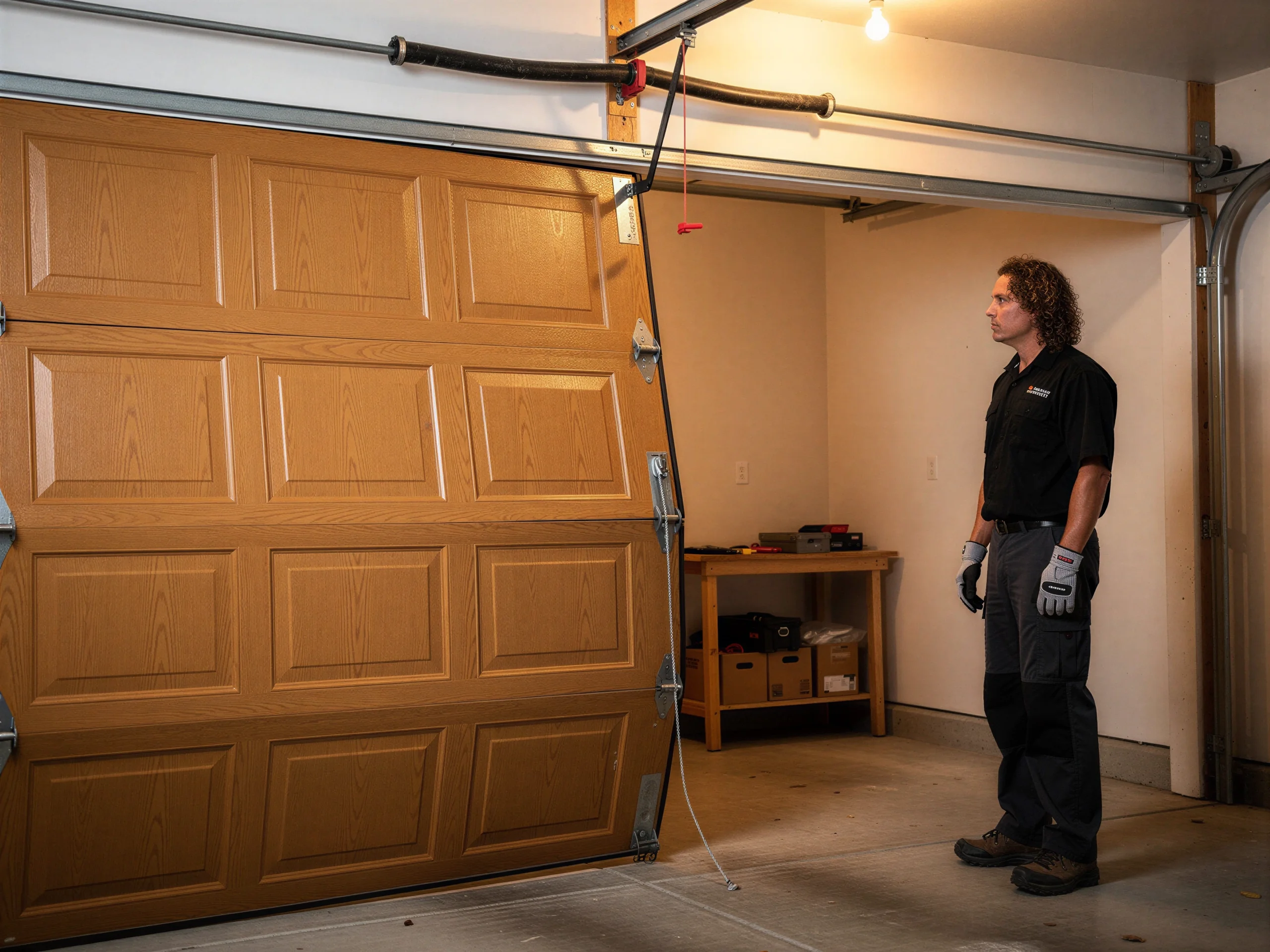
Garage Door Cable Repair Across the Lacey Area
Broken or frayed garage door cable in Lacey, WA? Learn more →Ready when you are
Garage door trouble in Lacey?
Lacey Garage Door Pros repairs and installs garage doors, springs and openers in Lacey, WA and the surrounding area.