
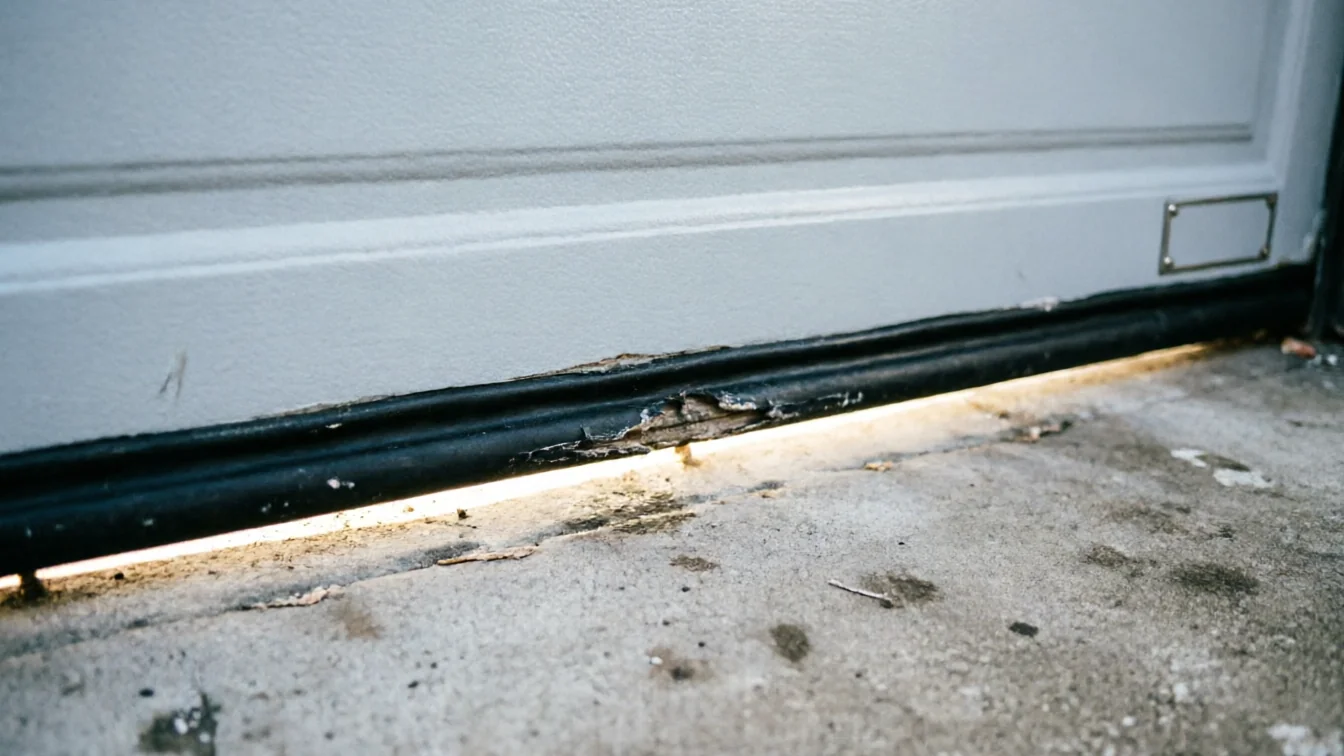
 Why Lacey Garage Doors Let the Cold In
Lacey homes built mostly between 1965 and 2004 face mild winters with occasional freeze.
BlogLacey, WA · 4 min read
What Your Garage Door Is Telling You This Season in Lacey
Lacey homes built mostly in the 1980s and 90s share garage door hardware aging in a mild climate with occasional winter freeze that strains seals and hinges.
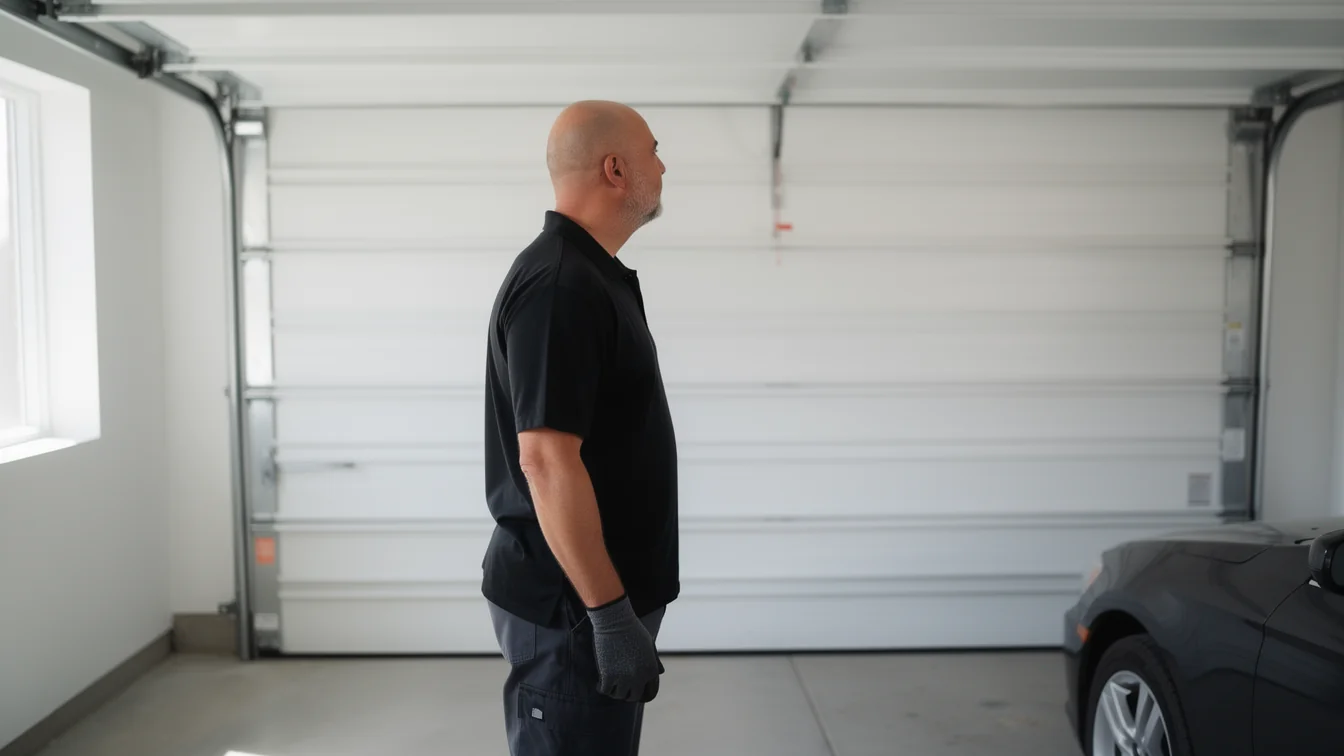
Local detail
What Changes With the Season
Lacey sits in a mild climate band, but it isn't a flat one - we get stretches of freeze mixed into otherwise easy winters. That swing matters more than people think. A steel garage door panel contracts in a cold snap and expands again a few days later when temperatures climb back into the 40s and 50s. On a door that's been doing this every year since the 1980s or 90s, the metal fatigues at the hinge points first. You'll hear it before you see it: a faint pop or tick as the door opens, worse on the first cold morning after a freeze. Torsion springs behave the same way. Cold steel is less flexible, so a spring that's been wound to the same tension for thirty-plus years suddenly has to work harder on the coldest mornings, right when homeowners are already rushing out the door. None of this is dramatic weather - no heavy snow load to worry about here - but freeze-thaw cycling on an aging spring and aging rollers is a slow, steady wear pattern, and it shows up as sound before it shows up as a stuck door.
The area
How Local Conditions Play In
Housing in this part of the county mostly went up between 1965 and 2004, with the median build year landing around 1989, and that's true across roughly 21 named neighborhoods and areas in the service area, not just one pocket. That means a lot of garages are still running the original door and opener hardware from the build, or a first replacement installed sometime in the 90s. Areas close in, like Tanglewilde a mile out, sit on the same housing-age pattern as the rest of the service area - this isn't a newer-build exception. Original hardware from that era usually means steel coil torsion springs rated for a certain number of cycles, non-insulated steel panels, and galvanized rollers rather than the nylon ones used now. All of that hardware is now 20 to 40 years into a service life nobody designed to last forever. A door that's never been serviced isn't unusual here - it's close to the default. That's useful context when a noise shows up: you're very likely dealing with original-era parts, not something installed five years ago.
What we find
The Problem
Noises mean something specific, and the specific thing changes depending on what you're hearing. A sharp metallic bang, usually once and usually in the morning, is almost always a torsion spring losing its wind - on original-era hardware that's been cycling through Lacey's freeze-thaw swings for decades, that's wear catching up all at once. A rhythmic grinding or squeal as the door travels is worn rollers riding in a track that's lost its lubrication, common on doors from the 1980s-90s stock that have never had the track cleaned. A rattle that sounds loose, almost like something's about to fall, is often a track bracket that's worked slightly out of alignment - cold contraction pulls fasteners a fraction of an inch over enough winters, and eventually you hear it. None of these are emergencies the first time you hear them. They are a timeline. A spring that bangs once this week will not fix itself, and running the opener against a spring that's lost tension puts the load somewhere else - usually the opener's drive gear, which is not built to lift a door's full weight alone.
How we work
The Common Mistake
The mistake we see most is spraying the noise instead of diagnosing it - a shot of WD-40 on a squeaky roller quiets things down for a week and does nothing for a spring that's losing tension underneath. Springs don't respond to lubricant; they respond to being rewound or replaced, and that's not a job to do yourself on a door this old, where the hardware spec isn't always obvious. The other common mistake is waiting for total failure because the door
Questions
Common questions
Why does my garage door make more noise in winter than summer?
Cold steel is stiffer and contracts slightly, which changes how springs, hinges, and track brackets sit relative to each other. On hardware from the 1980s or 90s that's already worn, that small seasonal shift is enough to turn a quiet door into a noisy one, especially right after a freeze.
Is a popping sound always a broken spring?
Not always, but a single sharp bang, especially on a cold morning, is the most common cause and it's usually a torsion spring losing its wind rather than snapping outright. Either way it's not something to keep opening the door against - call it in before the opener takes the strain instead.
My house was built in the late 80s - is that relevant?
Yes. Most of the housing stock in this area, including yours if it's from that window, was built with the garage hardware standard of the time: steel coil springs, non-insulated panels, galvanized rollers. That hardware has a service life, and if it's original, it's well into it.
Recommendation
You Might Also Like
More garage door guides for Lacey homeowners.
Why Lacey Garage Doors Let the Cold In
Lacey homes built mostly between 1965 and 2004 face mild winters with occasional freeze.
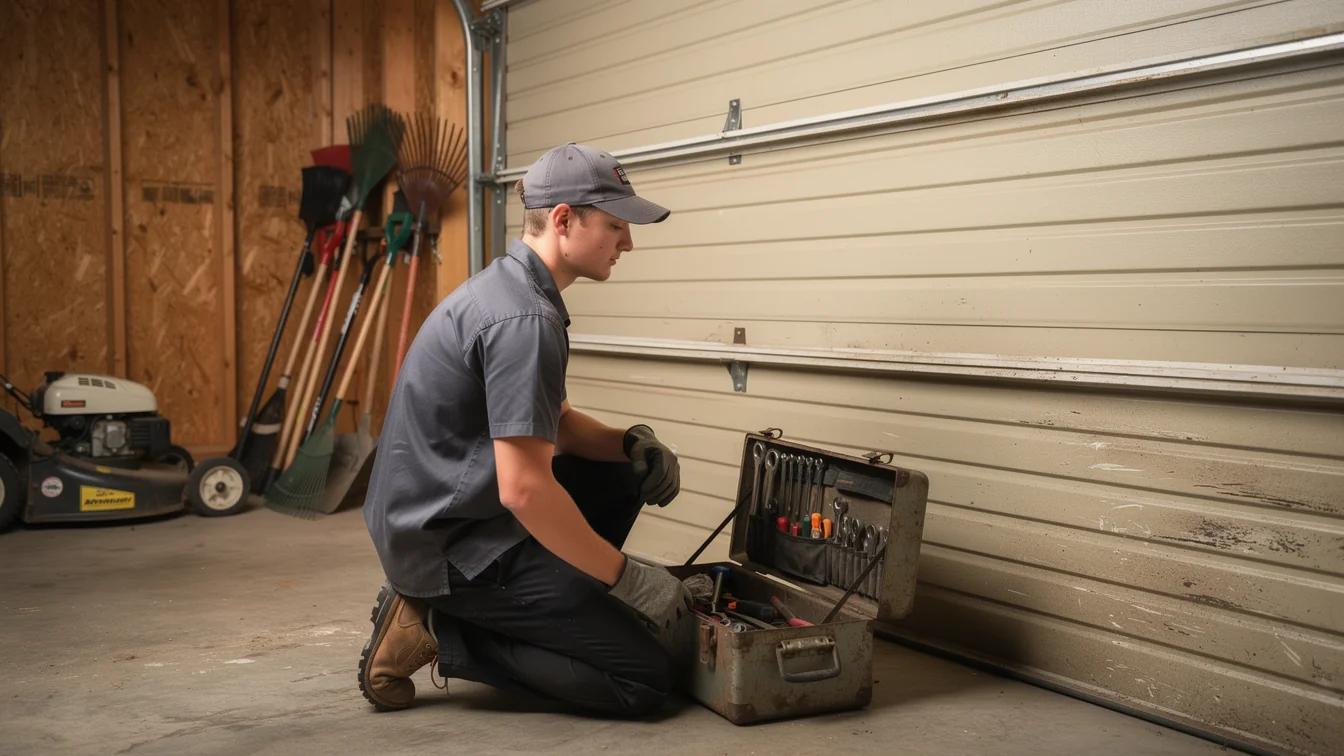 What We Actually Do on a Service Call in Lacey
Lacey homes mostly date 1965-2004, mild climate with occasional freeze.
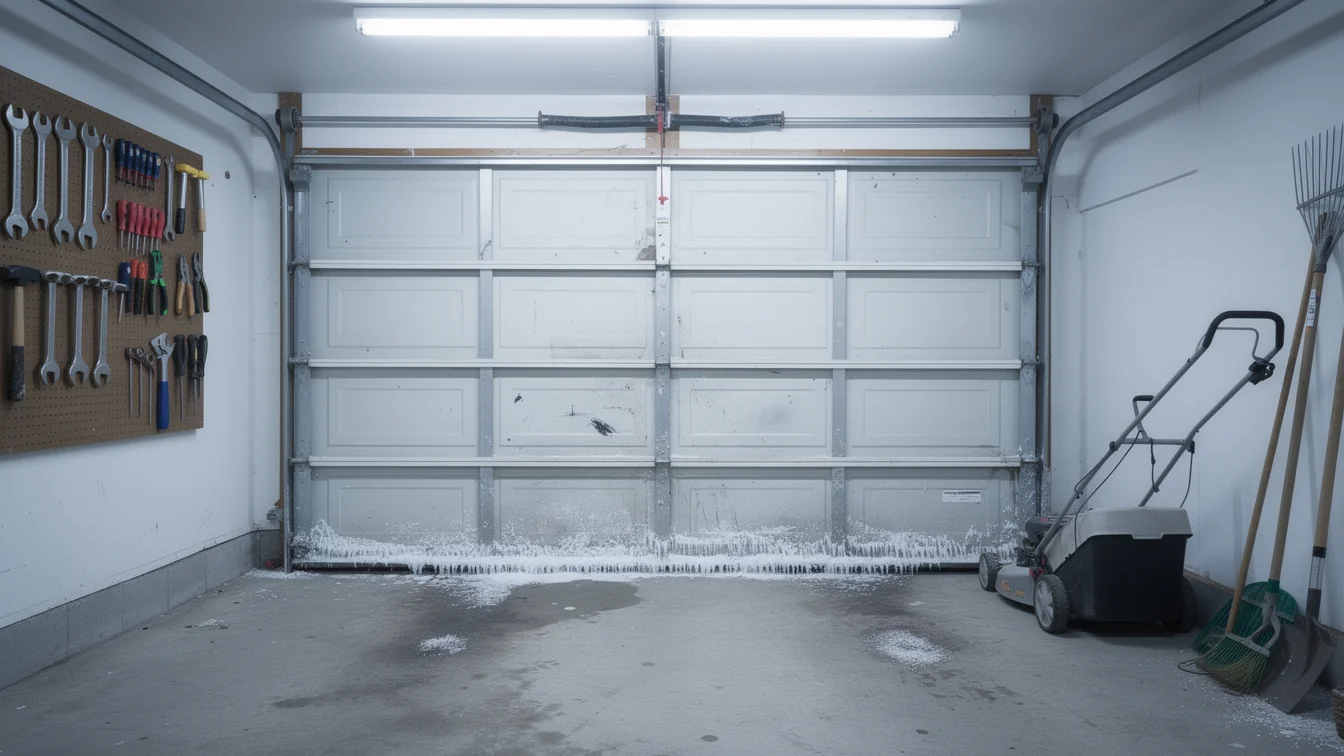 What Lacey's Housing Stock Means for Your Garage Door
Lacey homes mostly date to the 1980s and 90s, built before current insulation and sealing standards.
Ready when you are
Need a garage door sorted in Lacey?
Lacey Garage Door Pros repairs and installs garage doors, springs and openers in Lacey, WA and the surrounding area.