
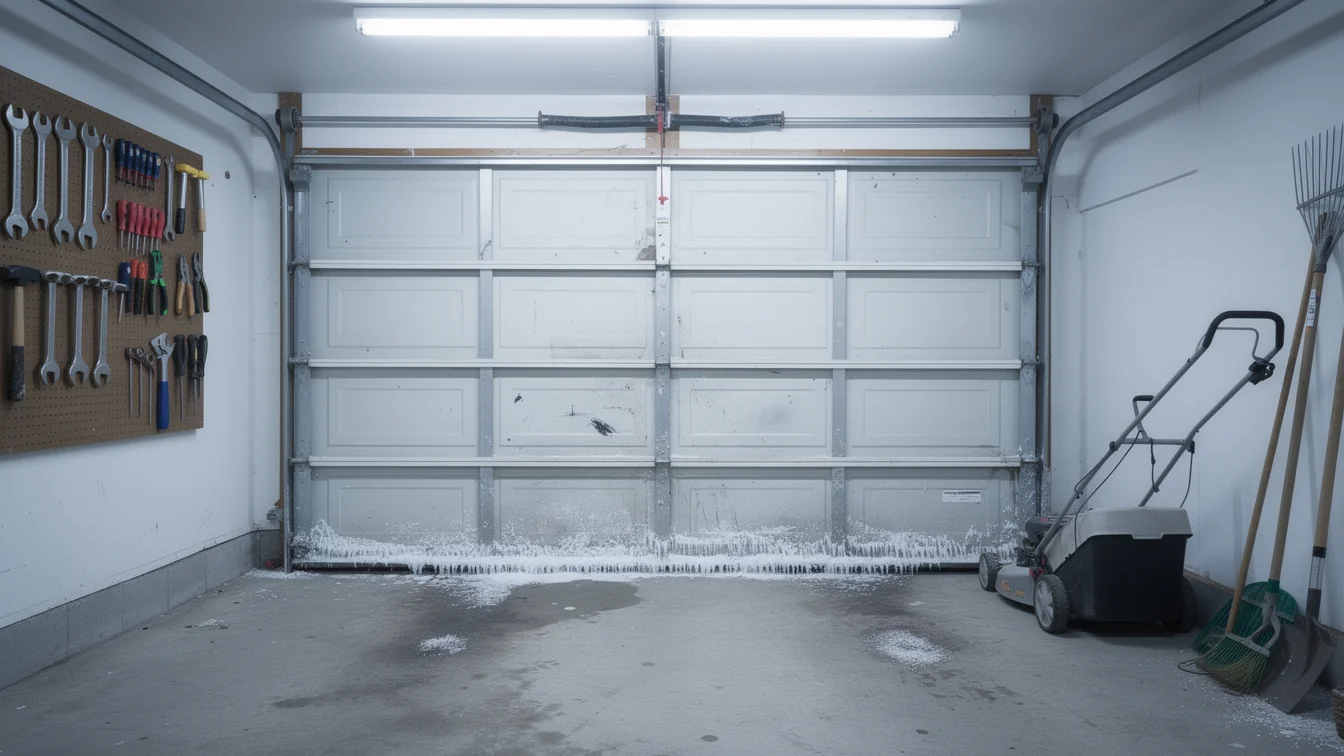
 What Lacey's Housing Stock Means for Your Garage Door
Lacey homes mostly date to the 1980s and 90s, built before current insulation and sealing standards.
BlogLacey, WA · 4 min read
Why Your Garage Door Keeps Jumping the Track
Lacey's 1965-2004 housing stock and mild, occasionally freezing climate put specific stress on original garage door track hardware. Here's what actually causes it.
Local detail
What Changes With the Season
Lacey doesn't get the hard freeze-thaw cycles that crack concrete pads and warp steel overnight, but the climate here still runs mild with occasional freezes, and that matters more than people think. A steel track that sits at 45 degrees overnight and climbs into the 60s by afternoon expands and contracts just enough, over enough years, to walk a lag bolt loose in its jamb bracket. It's not dramatic. No one hears a bang. The bracket just gets a little looser each winter until one day the door rides up off the roller on one side and binds. Most of the houses in this area were built between 1965 and 2004, with the typical one dating to 1989, so a lot of that original track hardware has been through three or four decades of this slow seasonal flex already. It's not failing because it's bad hardware. It's failing because it's old hardware that was never designed to be inspected or re-torqued, and nobody ever did.
The area
How Local Conditions Play In
The tract construction that went up across this area through the 1980s and 90s - the same era you'll find repeated through most of Lacey's 21 named neighborhoods, not just one pocket of it - used a fairly standard track gauge and bracket spacing. That spec was fine for the doors of that period, which were lighter, usually single-layer steel or wood. A lot of owners have since swapped in heavier insulated doors without upsizing the track or the brackets underneath it. Add thirty-plus years of seasonal expansion and contraction on top of that mismatch, and you've got a track that was already carrying more load than it was sized for, now loosening at the exact points where it's most stressed. This isn't unique to one street. Across the owner-occupied houses in this service area, the pattern repeats because the housing went up in the same two-decade window under the same codes.
What we find
The Problem
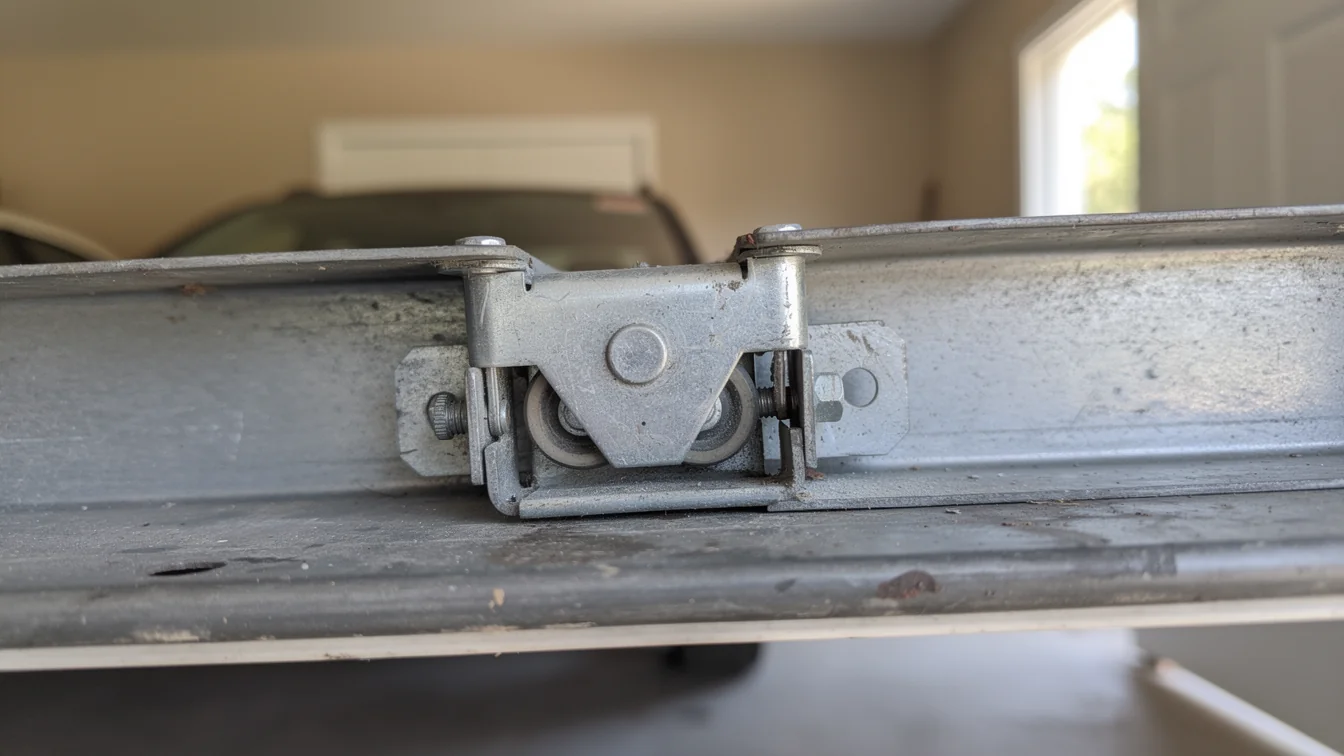
When a door goes off track, it's almost always one of three things: a bent track rail from the door being forced past an obstruction, a bracket that's worked loose from the jamb over years of vibration, or rollers so worn they no longer ride square in the channel. On houses from this area's main build era, the bracket is the usual suspect, not the rail. The rail is heavier gauge than people expect and takes real force to bend. A bracket, on the other hand, is held by four lag screws into framing that's also had thirty-plus years to dry out and shrink slightly, which gives those screws a little more room to back out than they'd have in newer lumber. The door doesn't jump the track all at once. It rides slightly crooked for weeks, scraping one roller harder than the other, until something finally lets go.
How we work
The Common Mistake
The mistake we see most is someone noticing the door is riding rough, grabbing a ladder, and just re-tightening whatever screws they can reach on the track - without checking whether the bracket itself has pulled away from the frame, or whether the rollers are the real problem. Tightening a loose screw into wood that's already stripped out doesn't fix anything; it just buys a few weeks. I'll say plainly: not every off-track door is a quick fix. If the rail itself is bent, straightening it rarely holds for long on a door carrying daily cycles, and replacing that section of track is usually the better call even though it costs more up front. Forcing a jumped door back onto its rollers by hand, with the spring still under tension, is also how people get hurt - that's a job for a lift, not a ladder.
Questions
Common questions
Why does my garage door only go off track in certain weather?
Lacey's mild climate with occasional overnight freezes causes steel track to expand and contract slightly through the seasons. On older brackets, especially the kind found in houses built in this area's main construction era through the 1990s, that repeated flex is enough to loosen a lag screw that was already marginal, which is why problems often show up after a cold stretch.
Is a bent track or a loose bracket more common here?
In this area, loose brackets are more common than bent rails. The track itself is heavier gauge steel and takes real force to bend. Brackets are held into wood framing that's had decades to dry and shrink slightly, giving the mounting screws more room to work loose over time than they'd have in newer construction.
Can I just push the door back onto the track myself?
No. If the door has jumped the track, the opener spring is still under tension, and forcing the door back by hand risks the spring releasing suddenly. It also doesn't address why the door came off in the first place - a bent rail, worn roller, or loose bracket needs to be fixed or it'll happen again.
How do I know if my track needs replacing instead of repair?
If the rail is visibly bent rather than just loose at the brackets, straightening it is usually a short-term fix at best on a door that cycles daily. Replacement of that section holds up better and often costs less over time than repeated straightening.
Recommendation
You Might Also Like
More garage door guides for Lacey homeowners.
What Lacey's Housing Stock Means for Your Garage Door
Lacey homes mostly date to the 1980s and 90s, built before current insulation and sealing standards.
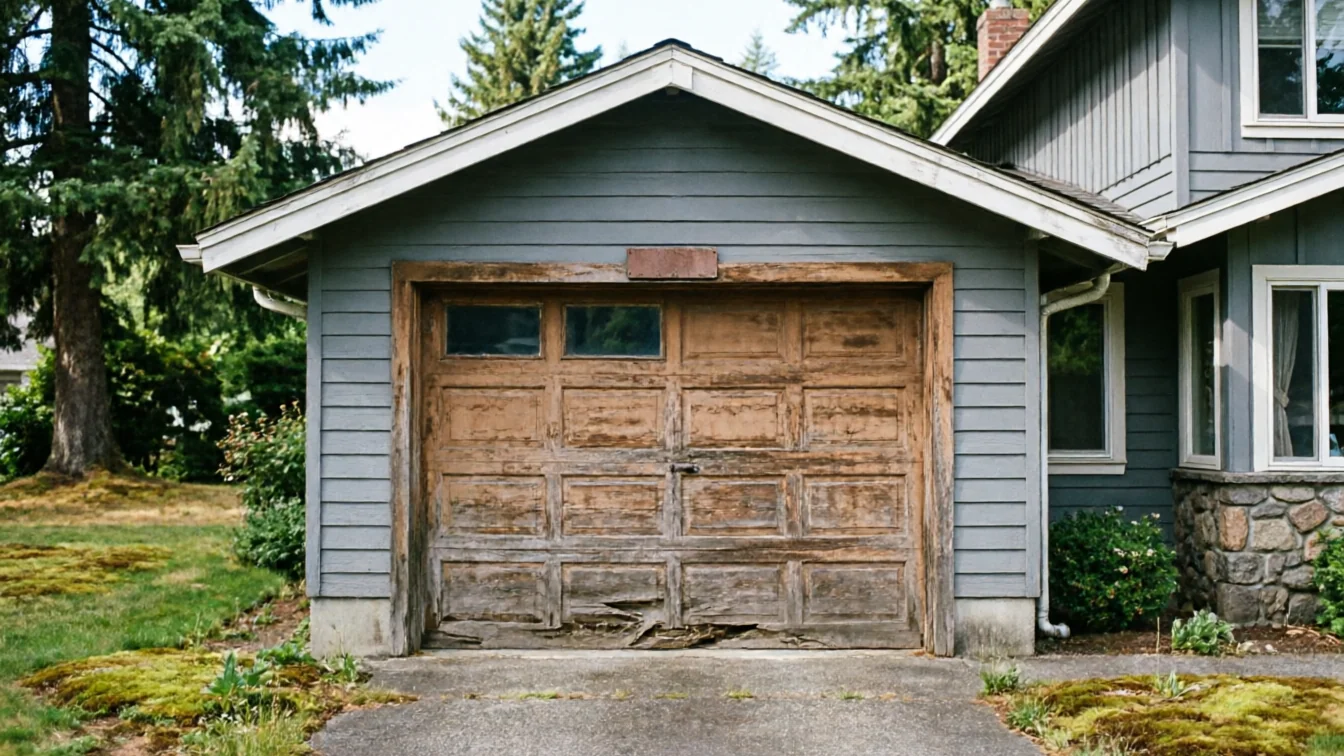 Is Your Lacey Garage Door Worth Fixing, or Time for a New One
Lacey's housing stock runs 1965-2004, mostly 1980s-90s builds.
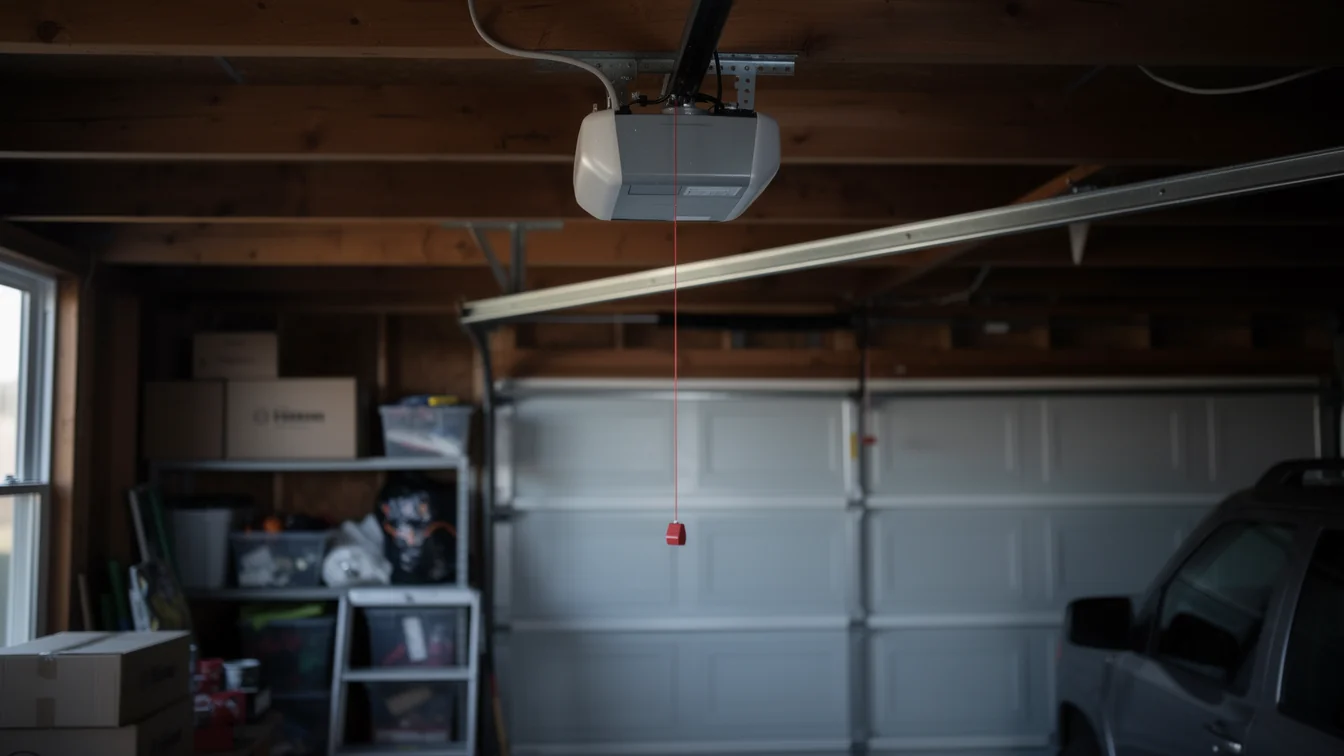 What Lacey's Housing Stock and Weather Do to Your Garage Door
How Lacey's 1965-2004 housing stock and mild, occasional-freeze climate affect garage door openers, springs, and power cuts through the year.
Ready when you are
Need a garage door sorted in Lacey?
Lacey Garage Door Pros repairs and installs garage doors, springs and openers in Lacey, WA and the surrounding area.