
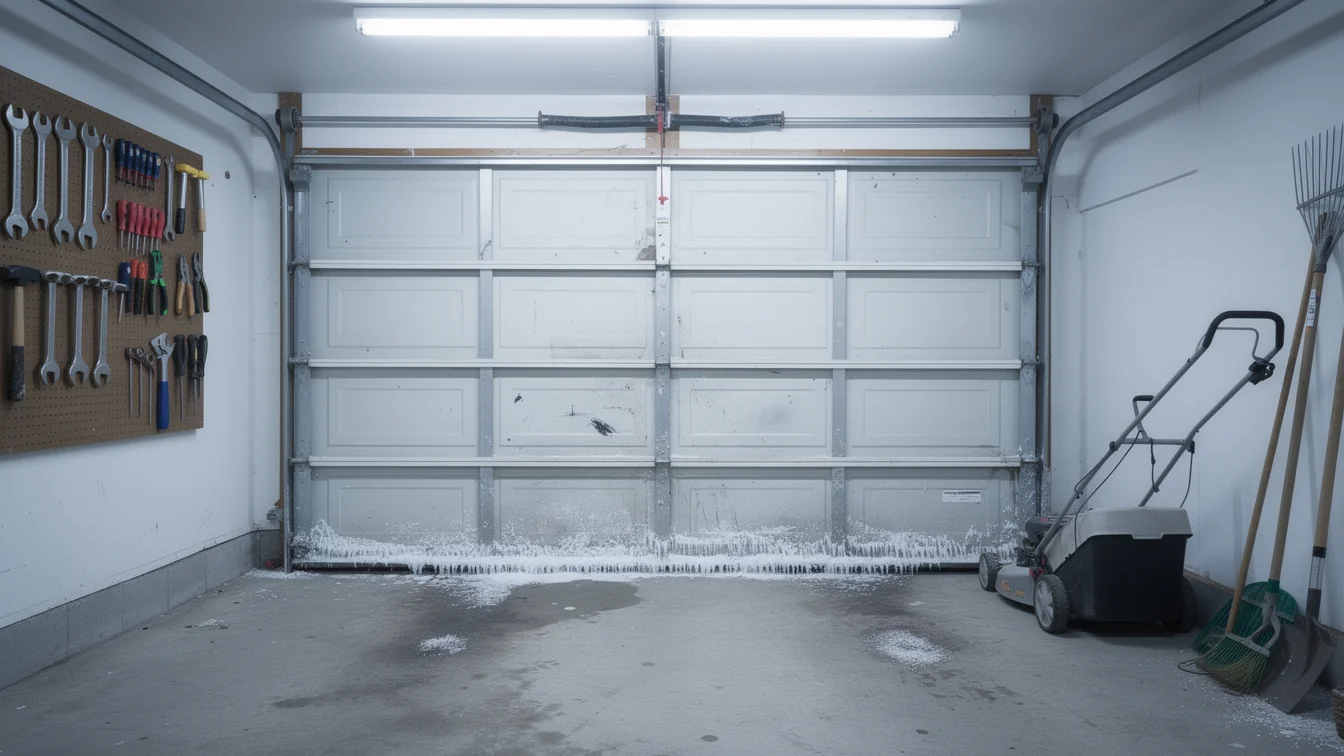
 What Lacey's Housing Stock Means for Your Garage Door
Lacey homes mostly date to the 1980s and 90s, built before current insulation and sealing standards.
BlogLacey, WA · 4 min read
What Lacey's Housing Stock and Weather Do to Your Garage Door
How Lacey's 1965-2004 housing stock and mild, occasional-freeze climate affect garage door openers, springs, and power cuts through the year.
Local detail
What Changes With the Season
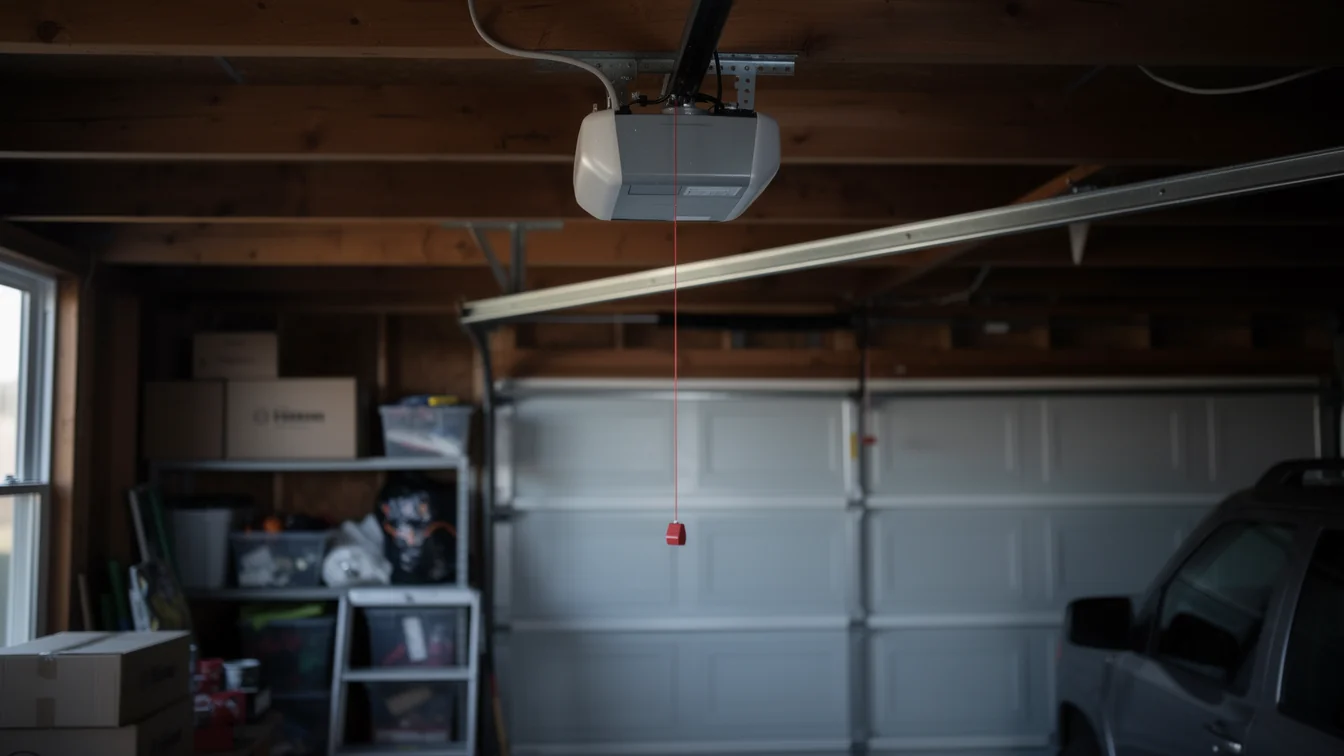
Most houses in Lacey and the neighborhoods around it, from Tanglewilde a mile out to the stretch toward Tumwater, went up between 1965 and 2004, with the bulk of that stock dating to the 1980s and 90s. That matters for openers more than people expect. A chain-drive opener installed when a house was built in, say, 1988 is pushing 35+ years if it's never been swapped, and the circuit boards from that era don't handle voltage sag well. Our climate band here is mild with occasional freeze, not the hard winters you'd get further inland, so the seasonal stress isn't ice building up on the track - it's the wet season driving humidity into old relay boards and weather stripping that's hardened and cracked from age rather than cold. Spring and fall, when storms roll through and the power flickers, is when we see the most opener failures: not because the door froze shut, but because a board that was already marginal got finished off by a brownout. If your opener dates to the same decade as your house, that's the piece most likely to quit first - not the spring, not the track.
The area
How Local Conditions Play In
With 39,255 owner-occupied homes across the service area and most of that stock concentrated in a narrow 1965-2004 build window, a lot of garages share the same aging infrastructure: single-outlet circuits, no dedicated breaker for the opener, and original wiring runs that were fine for a basic chain-drive unit but weren't sized with a battery backup or smart opener in mind. Because our weather sits in a mild band with only occasional freeze, we don't get the ice-locked tracks that justify heavy de-icing routines - the more common local problem is power interruption during wind and rain events, which cuts the opener mid-cycle and leaves the door half up on a track that's otherwise fine. That's a different failure mode than towns with real winter, and it changes what's worth fixing versus replacing.
What we find
The Problem
The actual failure we get called out for most isn't a broken spring from cold-snapped steel - this area doesn't see the hard freezes that do that. It's an opener that loses power mid-travel during a storm, then won't re-learn its limit settings when the power comes back, so the door either won't close all the way or reverses every time it tries. On a house from the 1980s-90s stretch of housing, that opener is old enough that the logic board doesn't have a battery backup option built in, and retrofitting one means replacing the unit, not patching it. We also see garages where the original door is original - same panel, same hardware, since 1989 or so - and the opener has been swapped once or twice over the years without anyone checking whether the drive unit still matches the door's weight. That mismatch shows up as grinding or stalling, and it's not a lubrication problem.
How we work
The Common Mistake
The mistake we see most is homeowners assuming a power cut is a one-time glitch and resetting the opener without checking the wiring behind it. If your breaker panel is original to a house built in the 1965-2004 window, repeated power drops during storms can be a sign the circuit feeding the garage is undersized or shared with something else in the house, not just a utility hiccup. Resetting the opener fixes the symptom for a week. We'll say plainly: if your opener is pre-2000 and keeps losing its settings after outages, replacing the unit is usually the better call over repeated service calls - the boards from that era aren't built to handle repeated brownouts gracefully, and parts for some of the oldest units are getting hard to source. We don't carry every discontinued board, and we won't pretend a patch job will hold for years when the honest fix is a new opener with a battery backup built in.
Questions
Common questions
Why does my garage door opener keep failing after storms here in Lacey?
Most homes in this area were built between 1965 and 2004, and openers from that era lack battery backup. When a storm cuts power mid-cycle, the unit loses its limit settings. It's less about the weather itself and more about aging circuit boards not built for repeated outages.
Does the freeze we get in winter cause spring breakage here?
Not usually. Our climate band is mild with only occasional freeze, which is a lot gentler on steel springs than real winter towns see. The failures we get called for are tied more to power interruptions and aging opener hardware than to cold-snapped springs.
My house is from the late 80s - is the original door still fine?
Often the door panel itself holds up fine; it's the opener and hardware that tend to fail first. If your opener has never been replaced since the house was built, it's worth having it checked before it fails mid-storm.
Recommendation
You Might Also Like
More garage door guides for Lacey homeowners.
What Lacey's Housing Stock Means for Your Garage Door
Lacey homes mostly date to the 1980s and 90s, built before current insulation and sealing standards.
 What Your Garage Door Is Telling You This Season in Lacey
Lacey homes built mostly in the 1980s and 90s share garage door hardware aging in a mild climate with occasional winter freeze that strains seals and hinges.
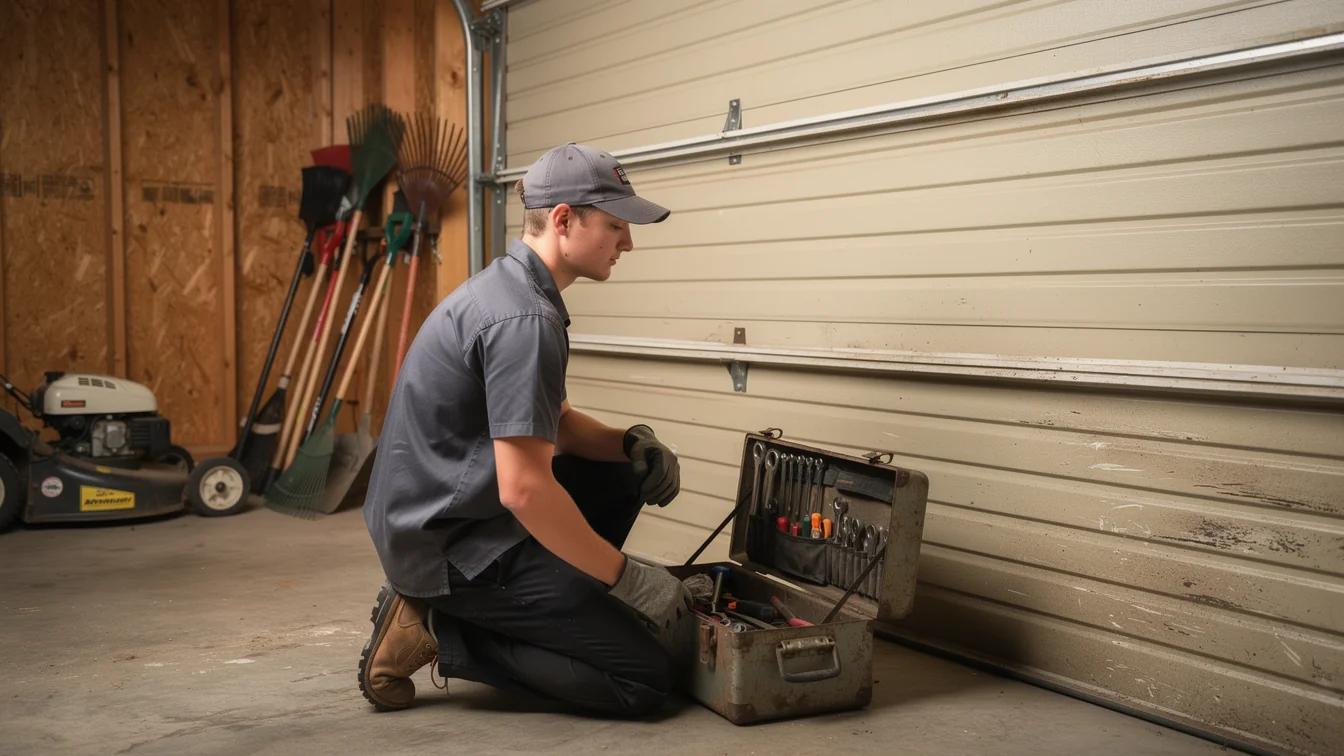 What We Actually Do on a Service Call in Lacey
Lacey homes mostly date 1965-2004, mild climate with occasional freeze.
Ready when you are
Need a garage door sorted in Lacey?
Lacey Garage Door Pros repairs and installs garage doors, springs and openers in Lacey, WA and the surrounding area.