
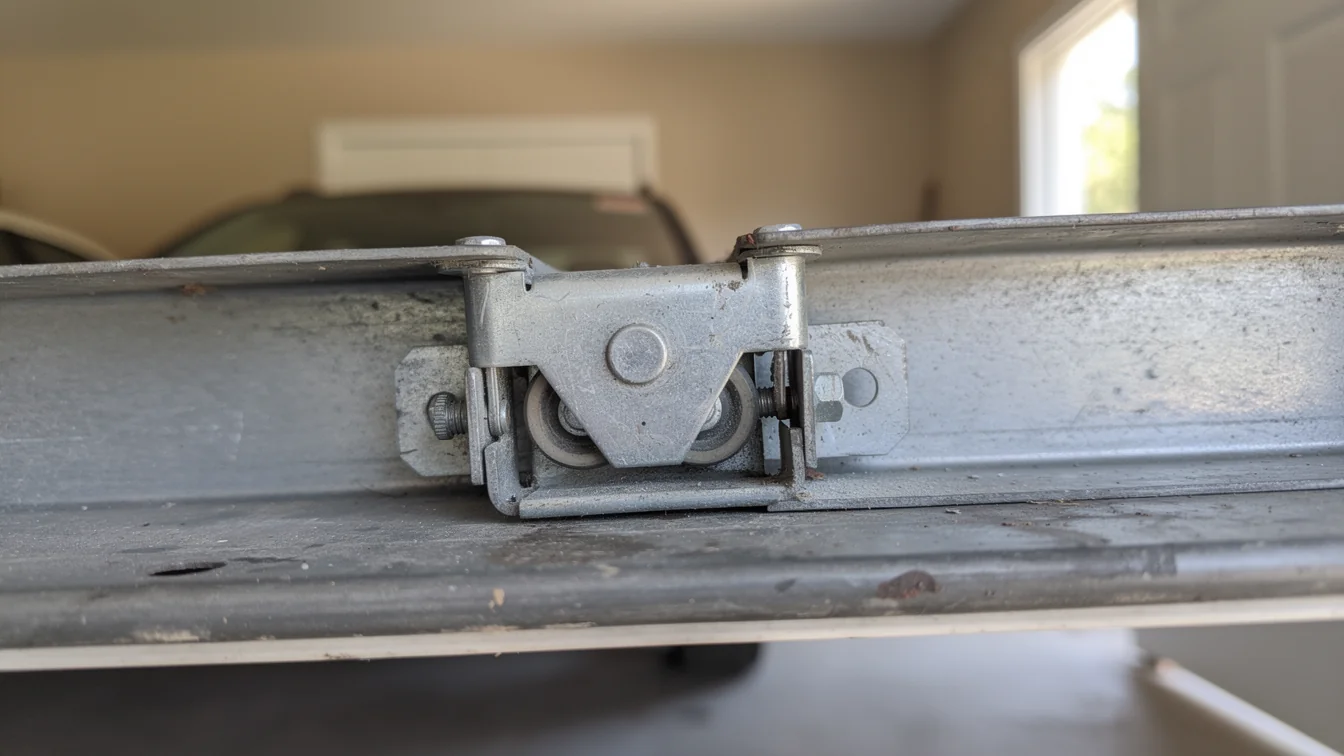
 Why Your Garage Door Keeps Jumping the Track
Lacey's 1965-2004 housing stock and mild, occasionally freezing climate put specific stress on original garage door track hardware.
BlogLacey, WA · 4 min read
Is Your Lacey Garage Door Worth Fixing, or Time for a New One
Lacey's housing stock runs 1965-2004, mostly 1980s-90s builds. Here's how to tell if your original door and hardware are worth repairing or replacing.
Local detail
What Changes With the Season
Lacey sits in a mild climate band with occasional freeze, so you're not fighting the deep winter swings that wreck hardware fast in colder regions, but you're also not spared entirely. A hard freeze a few times a year is enough to stiffen grease in an original torsion spring, especially on a door that's been sitting since the 1980s or 90s with factory lubricant long gone dry. The symptom is predictable: the door is fine in September, then one cold morning in January it groans, hesitates, or won't lift past a foot off the slab. That's not usually a dead opener. It's a spring and roller assembly that's never been serviced reacting to the one stretch of weather it has to deal with each year. If your door does this every winter and runs fine the rest of the year, that's a maintenance problem, not a replacement problem - unless the spring itself is original, in which case the cold snap is just the thing that finally finds the failure.
The area
How Local Conditions Play In
Across the 21 named areas that make up this service territory, the housing is overwhelmingly 1980s and 90s construction, with the broader stock running 1965 to 2004 and a median build year of 1989. That matters for one practical reason: a door and track system installed when a Lacey-area house was built is now 25 to 45 years old. Galvanized track from that era pits and rusts slower here than it would in a wetter or saltier climate, which is part of why so many of these original systems are still running at all. But the springs, cables, and rollers wear on cycle count and age regardless of weather, and a door that's been opened twice a day for three decades has put a lot of cycles through hardware that was never top-of-the-line to begin with. The mild climate buys these doors extra years. It doesn't buy them forever.
What we find
The Problem
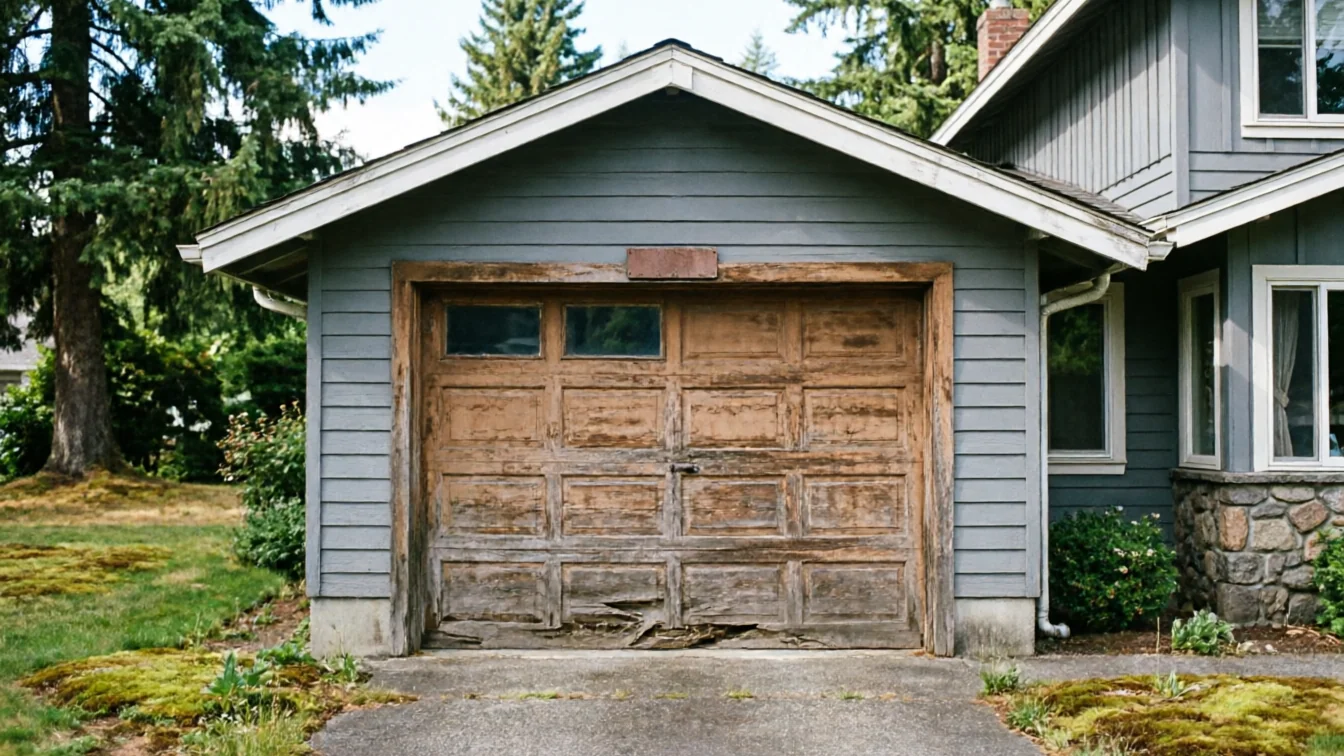
Here's where it gets confusing for an owner standing in the garage: a door from 1989 can look fine, run quietly, and still be one broken spring away from being unrepairable in any economical sense. The test isn't age by itself - it's whether the track, hinges, and panel are original and in decent shape, or whether rust and warping have already set in. If the panels are solid and the track is straight, a new spring, cable set, and roller kit on an original door is usually a sound repair, even on a 35-year-old system. If the bottom panel is rotted out, the track is bent from a car backing into it, or the door is a single flat slab with no insulation - common on original builds from that 1965-2004 window - you're often spending repair money to keep an inefficient, outdated door running another year or two instead of putting it toward one that will last two more decades.
How we work
The Common Mistake
The mistake we see most in this area is replacing an opener when the real problem is a spring, or replacing a whole door when the real problem is a $30 roller. With median household income here at $93,635 across roughly 39,255 owner-occupied homes in the service area, most owners can absorb either a repair or a replacement bill - which means the decision often gets made on convenience instead of condition. A tech who's in a hurry will quote a new door because it's the easier sell. The honest answer, on a lot of these 1980s and 90s builds, is that the door itself is still square and solid; it's the hardware underneath it that's failed. We won't tell you a 40-year-old single-layer door is worth insulating and restoring - at that point you're pouring money into a shell that was never efficient to begin with. But on a straight track with a sound panel, replacing hardware instead of the whole unit is usually the right call, and it's worth asking for that option before you agree to anything bigger.
Questions
Common questions
My garage door is original to a house built in the 1980s. Is it worth fixing?
Usually yes, if the track is straight and the panels aren't rotted or badly dented. A spring, cable, and roller job on a sound original door is a normal repair. If the panel is warped or the door is a single uninsulated slab that's failing in multiple ways at once, replacement starts to make more sense.
Why does my old door only act up in winter?
Lacey gets occasional freezes even with a generally mild climate. Original grease in a decades-old spring stiffens in the cold, which shows up as a door that hesitates or stalls on cold mornings but runs fine the rest of the year. That's a service issue, not proof the door is dying.
Should I replace the opener or the door first?
Check the door's hardware first. A failing spring or worn rollers can make a fine opener look weak, since it's straining to lift a door that isn't moving freely. Fix the hardware before you spend money on a new opener that won't fix the actual problem.
Recommendation
You Might Also Like
More garage door guides for Lacey homeowners.
Why Your Garage Door Keeps Jumping the Track
Lacey's 1965-2004 housing stock and mild, occasionally freezing climate put specific stress on original garage door track hardware.
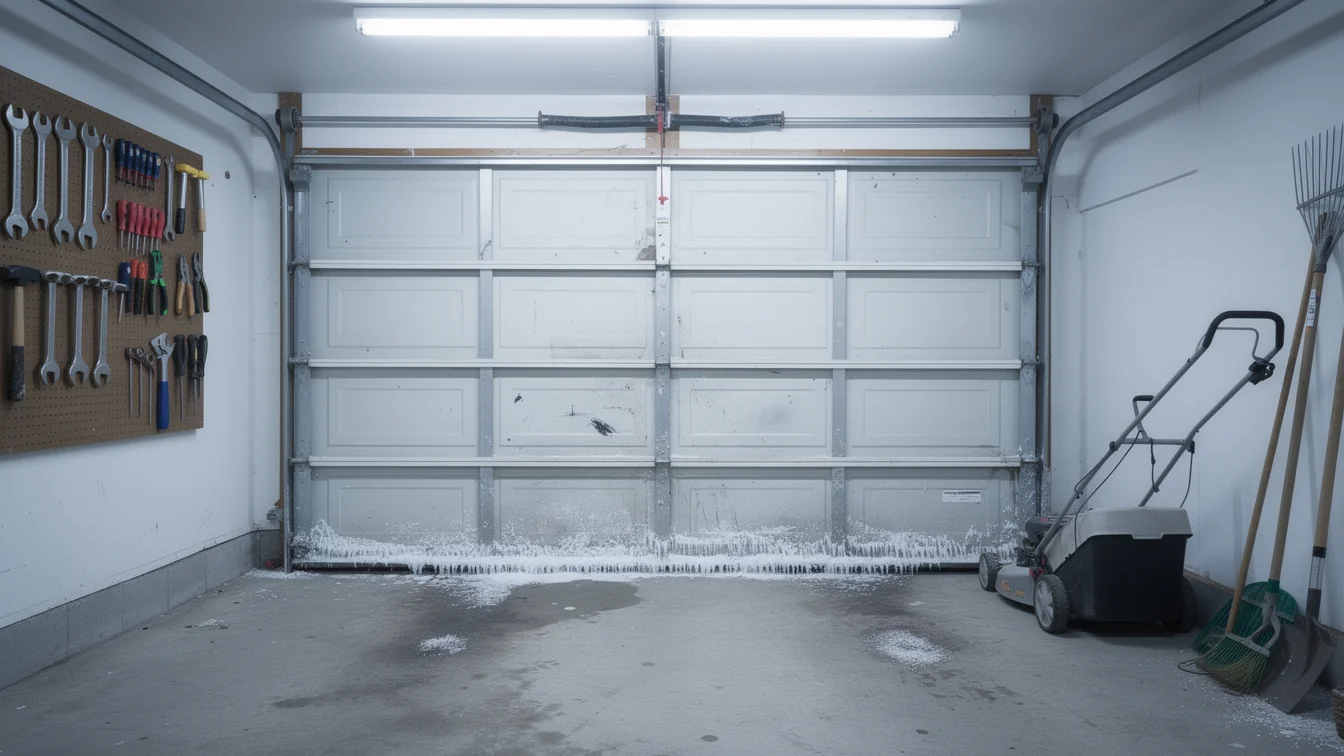 What Lacey's Housing Stock Means for Your Garage Door
Lacey homes mostly date to the 1980s and 90s, built before current insulation and sealing standards.
 What Your Garage Door Is Telling You This Season in Lacey
Lacey homes built mostly in the 1980s and 90s share garage door hardware aging in a mild climate with occasional winter freeze that strains seals and hinges.
Ready when you are
Need a garage door sorted in Lacey?
Lacey Garage Door Pros repairs and installs garage doors, springs and openers in Lacey, WA and the surrounding area.