
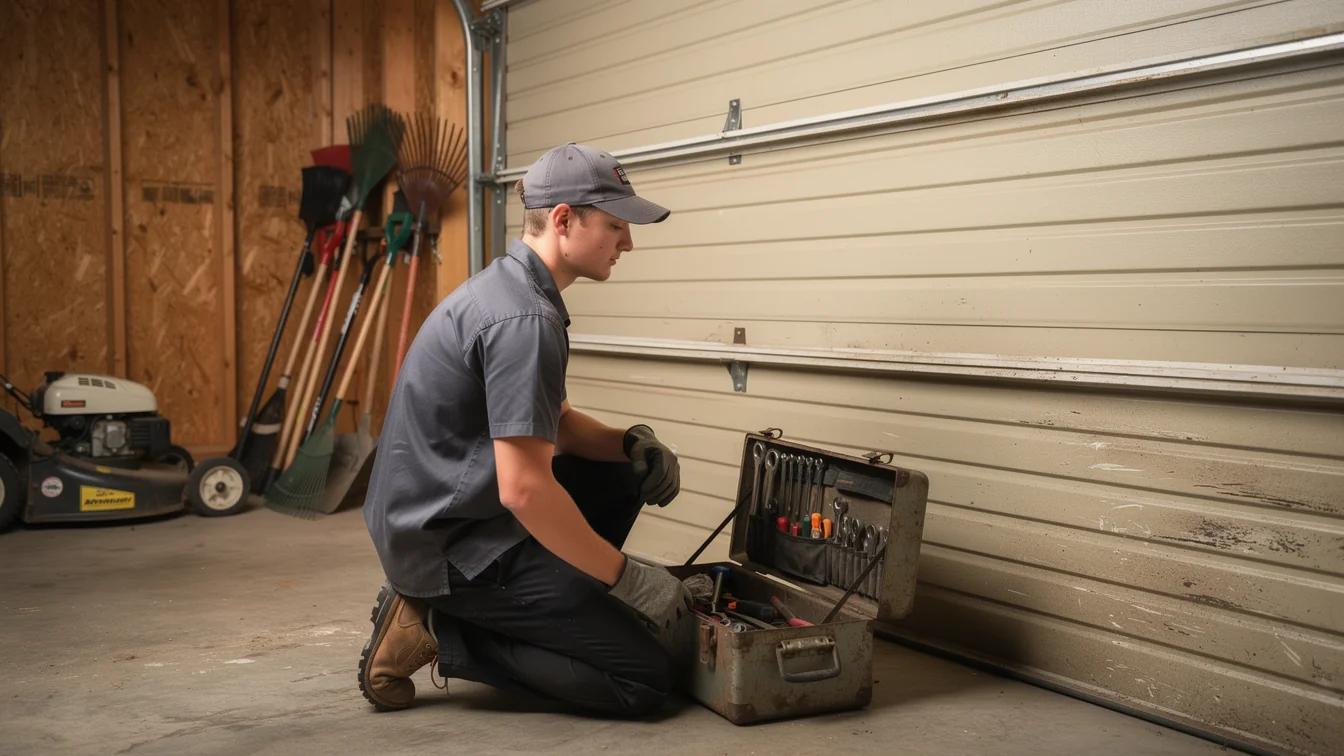
 What We Actually Do on a Service Call in Lacey
Lacey homes mostly date 1965-2004, mild climate with occasional freeze.
BlogLacey, WA · 4 min read
What Lacey's Housing Stock Means for Your Garage Door
Lacey homes mostly date to the 1980s and 90s, built before current insulation and sealing standards. Here's how that housing stock and our mild climate affect your garage door.
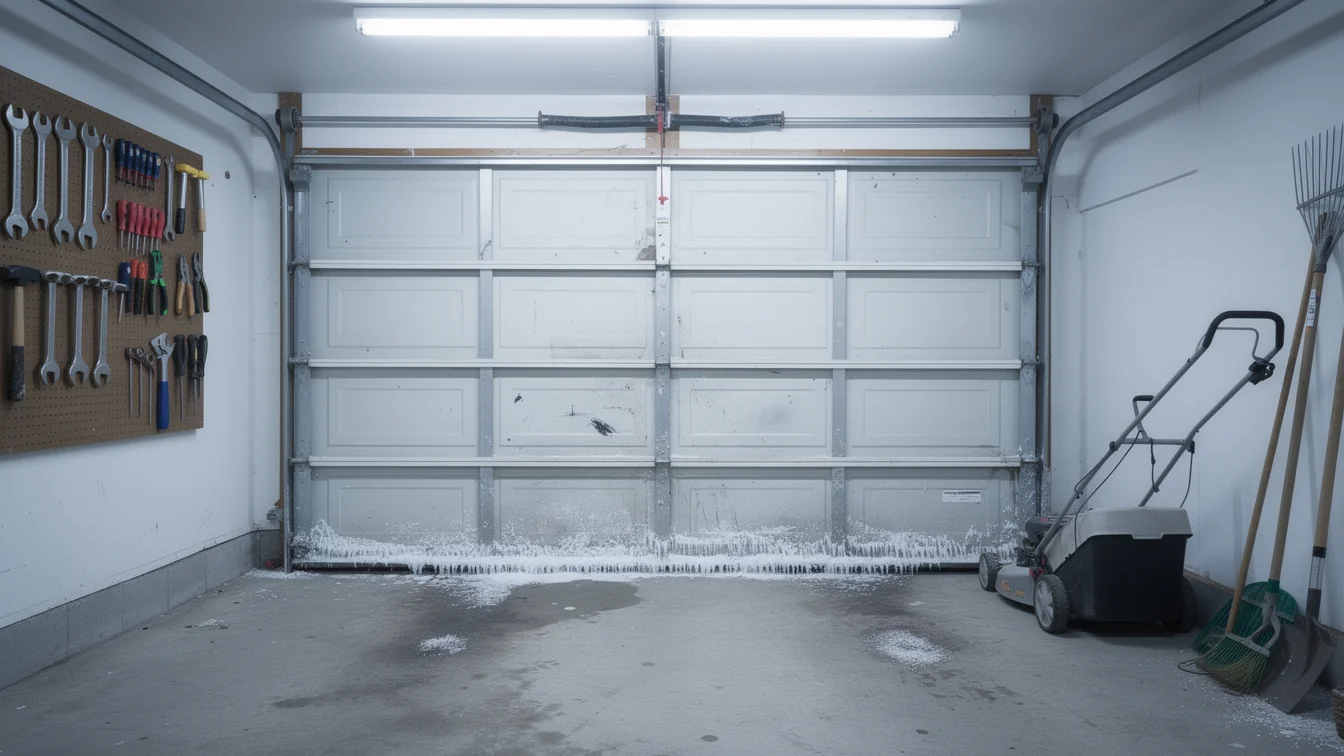
Local detail
What Changes With the Season
Lacey doesn't get the deep freeze that cracks slabs or splits panels outright, but the climate here is mild with occasional freeze nights, and that's its own kind of wear. A door that sits fine at 45 degrees in the afternoon can bind at 34 degrees overnight once the track contracts a hair and the weatherstrip stiffens. On a house built in the 1980s or 90s - which describes most of the stock across Lacey's 21 named areas - the original track brackets have had three or four decades of that daily flex. Nothing dramatic happens in any single cold snap. What happens is the slow kind: a roller that used to glide now catches on the same spot every morning, a spring that used to hold balance now lets the door drift down an inch after you stop it. Fall and early spring are when you notice it most, because that's when the temperature swing between morning and afternoon is widest. If your door has started making a different sound than it used to - a new squeal, a new thud when it seats - that's usually the season talking, not a sudden failure.
The area
How Local Conditions Play In
Houses in this part of Washington went up mostly between 1965 and 2004, with the median build year landing around 1989. That's a specific window: garages from that era were framed before current insulation and sealing codes, and most still carry the hardware that came with the house. Lacey sits close to Tanglewilde, about a mile off, and within a dozen miles of Tumwater, DuPont, and Yelm - all built out in roughly the same stretch, which means the same torsion springs and the same steel track brands are aging out across the whole area at once. The climate band here is mild with some freeze, not the hard freeze-thaw cycle that cracks concrete aprons, so the wear you see is mostly mechanical fatigue and moisture, not frost heave. Humidity off the Puget Sound side, a few miles north, keeps garage interiors damper than people expect for a place that doesn't get much snow. That dampness is what rusts an unlubricated spring coil years before it would otherwise fail, even in a climate that never drops hard below freezing.
What we find
The Problem
With 39,255 owner-occupied houses across the service area and most of that stock dating to the 1980s and 90s, a lot of original equipment is reaching end-of-life on the same timeline. Torsion springs are rated for a number of open-close cycles, not a number of years, but a spring installed when the house was built in, say, 1989 has been cycling for over three decades regardless of how it's held up. The common failure isn't catastrophic - it's a spring that's lost enough tension that the opener is doing work it wasn't built for, which then burns out the opener too. I'll be straight about the limit here: if your springs, track, and opener are all original to a house from that era, patching one part usually just moves the failure to the next part within a year or two. At that point replacing the whole system costs less over time than three separate service calls.
How we work
The Common Mistake
Because Lacey's climate doesn't throw the obvious warning signs - no ice dam, no cracked slab you can point to - a lot of owners assume a quiet door is a healthy one. It isn't. The mistake is waiting for a loud failure before doing anything, when the real tell is a door that's gotten slower to open or that drifts instead of holding position partway up. On a house with original 1980s or 90s hardware, that drift is the spring telling you it's lost tension, and it's worth a look before the opener takes the extra load and burns out too. The other version of this mistake is lubricating the hinges and rollers and calling it maintenance, while the spring and the cable - the parts actually under load - go untouched for years because nobody can see them easily from a stepladder.
Questions
Common questions
Why does my garage door get harder to open in the fall?
It's usually the temperature swing, not a sudden break. As it cools down, metal track and hardware contract slightly, and weatherstripping stiffens. On an older door that's been flexing the same way for decades, that small seasonal change is enough to turn a smooth roller into one that catches, especially right at the point where the track curves.
Is my original garage door hardware too old to trust?
If your house was built in the 1980s or 90s, which covers most of this area, the spring and track are likely original. Springs don't fail on a calendar, they fail on cycle count, so age alone doesn't condemn them - but original hardware that age is worth a direct look rather than an assumption either way.
Does Lacey's climate cause garage door problems?
Not in the way hard freeze or heavy snow would. The mild, occasional-freeze climate here means the wear is mostly mechanical fatigue and moisture-driven rust rather than frost cracking. A damp, unheated garage can corrode an unlubricated spring years before age alone would have retired it.
Should I replace the opener or just the spring?
Depends on what's actually failed. If the spring has lost tension, the opener has likely been compensating and may be near its own limit too, especially on a system that's all original to the house. Replacing just the spring on a worn-out opener often means a second call within a year or two.
Recommendation
You Might Also Like
More garage door guides for Lacey homeowners.
What We Actually Do on a Service Call in Lacey
Lacey homes mostly date 1965-2004, mild climate with occasional freeze.
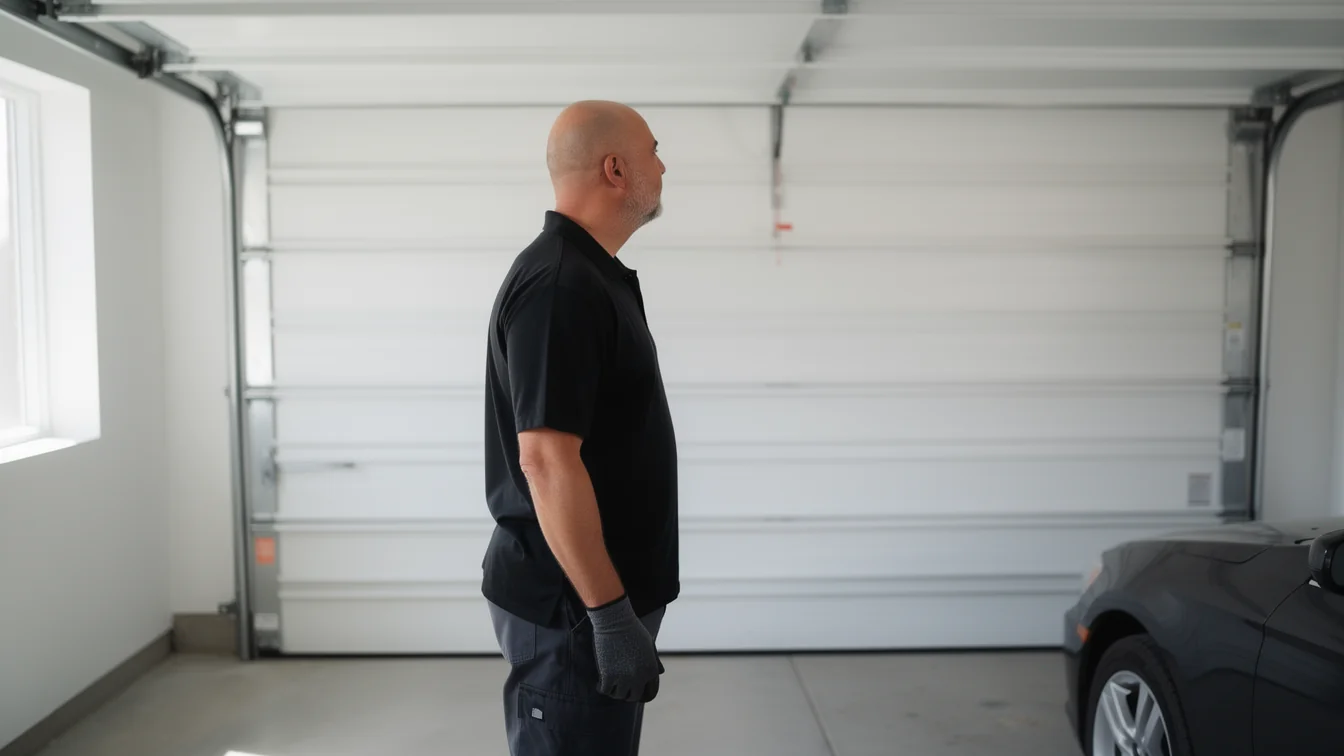 What Your Garage Door Is Telling You This Season in Lacey
Lacey homes built mostly in the 1980s and 90s share garage door hardware aging in a mild climate with occasional winter freeze that strains seals and hinges.
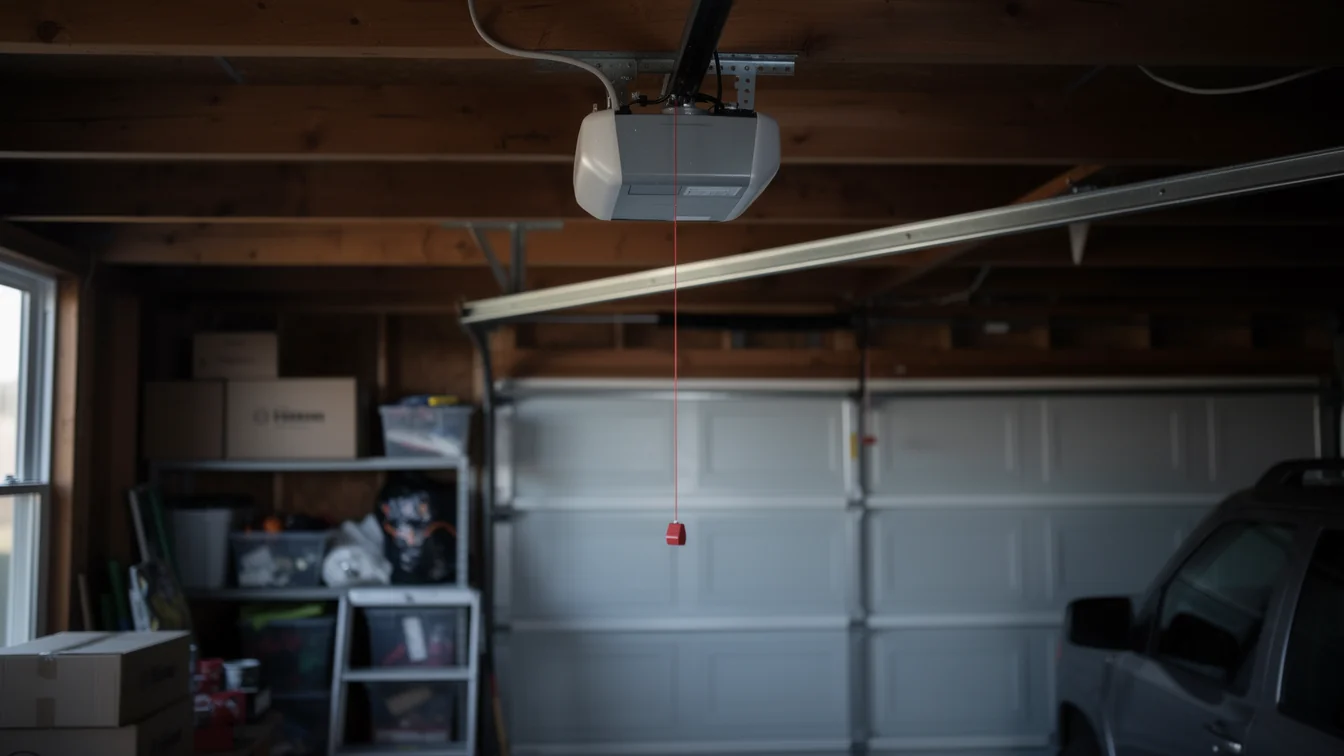 What Lacey's Housing Stock and Weather Do to Your Garage Door
How Lacey's 1965-2004 housing stock and mild, occasional-freeze climate affect garage door openers, springs, and power cuts through the year.
Ready when you are
Need a garage door sorted in Lacey?
Lacey Garage Door Pros repairs and installs garage doors, springs and openers in Lacey, WA and the surrounding area.