
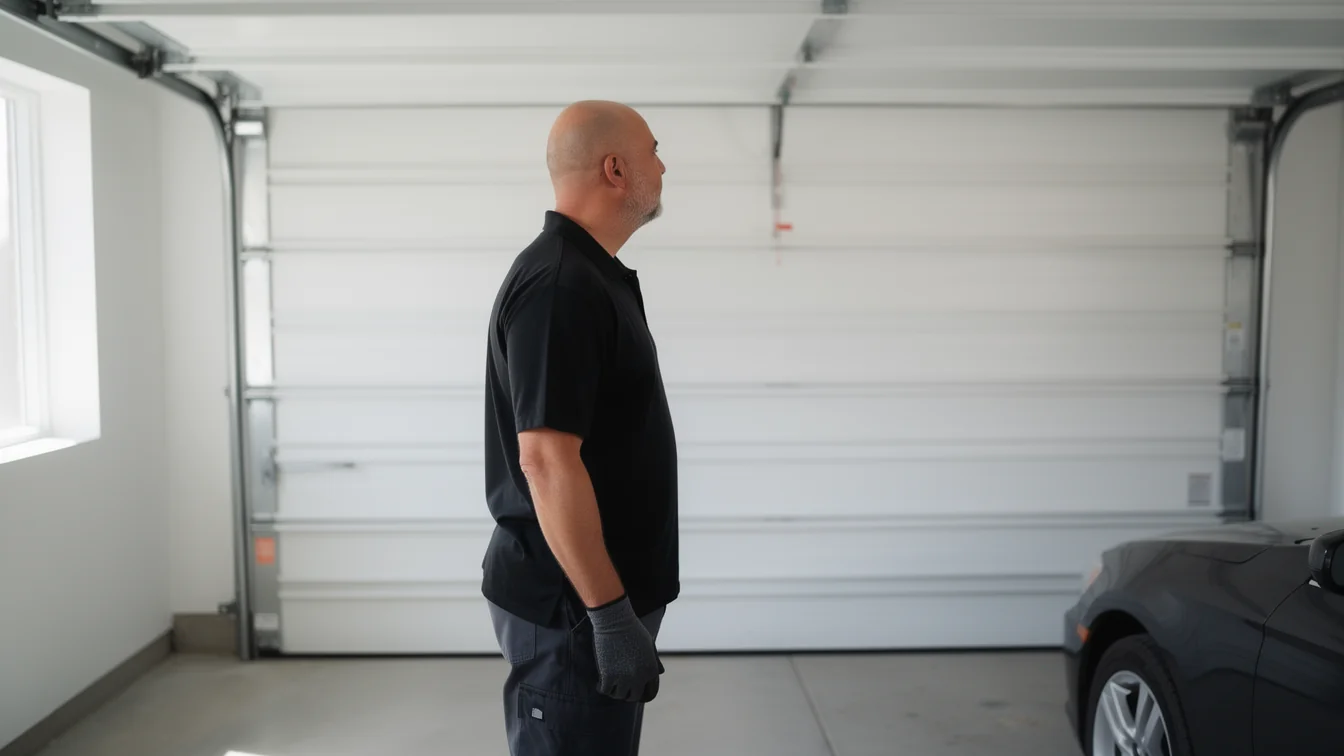
 What Your Garage Door Is Telling You This Season in Lacey
Lacey homes built mostly in the 1980s and 90s share garage door hardware aging in a mild climate with occasional winter freeze that strains seals and hinges.
BlogLacey, WA · 4 min read
Why Lacey Garage Doors Let the Cold In
Lacey homes built mostly between 1965 and 2004 face mild winters with occasional freeze. Here's how that combination wears out garage door seals and what to watch for.
Local detail
What Changes With the Season
Lacey sits in a mild climate band with the occasional freeze, not the deep-freeze winters you'd get further inland or further north. That matters for garage doors because the seals and hardware here aren't built for extreme cold, they're built for damp. Most houses in this service area went up between 1965 and 2004, with the bulk of the stock from the 1980s and 90s across the 21 named areas we work in. That means a lot of original bottom seals and weatherstripping that were installed for a climate that rarely drops hard, and now show their age through gaps rather than cracking from frost.
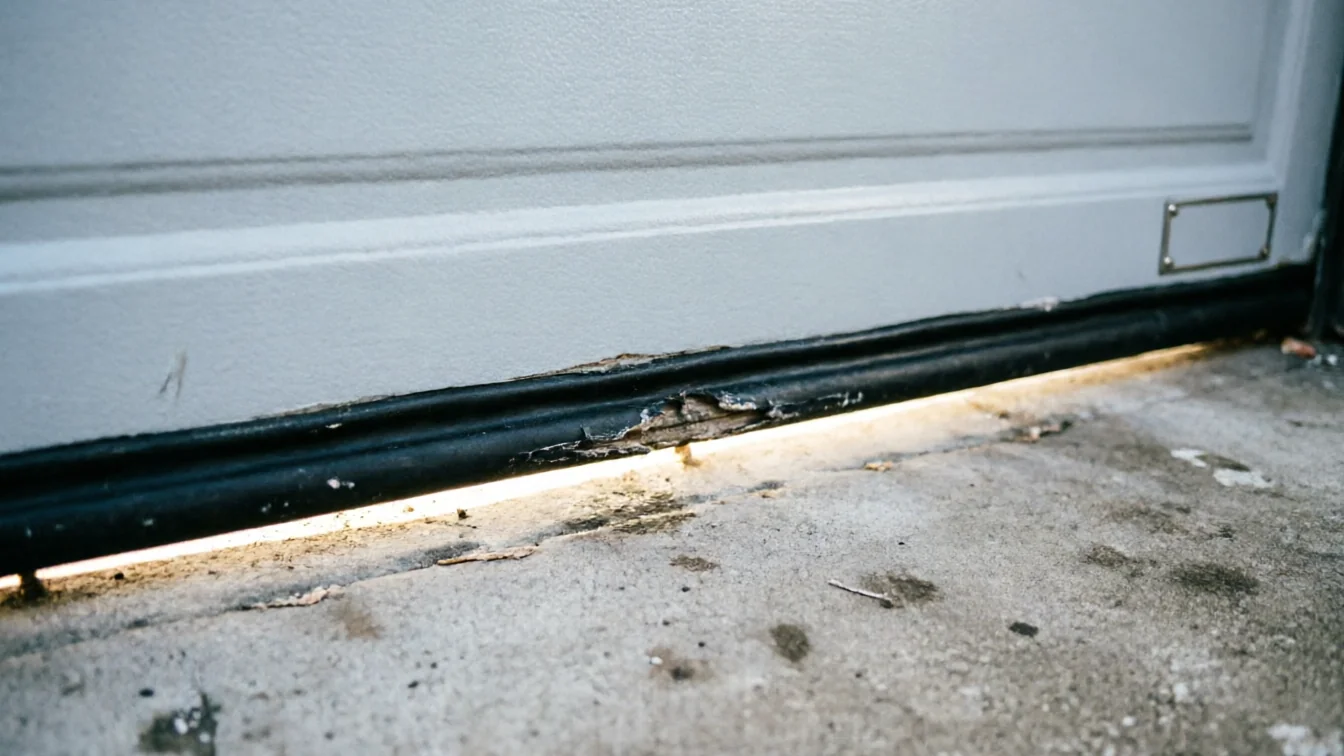
When a cold snap does come through, even a short one, it finds every gap in a seal that's been drying out for twenty or thirty years in the damp. You get a draught along the bottom of the door, sometimes along the sides where the vinyl has pulled away from the track. It's not dramatic. It's just cold air finding the path of least resistance, and in a house built in the 80s or 90s, that path is usually the garage door, not the walls.
The area
How Local Conditions Play In
The mild-with-occasional-freeze pattern means the rubber and vinyl seals on older Lacey doors spend most of the year in damp, moderate temperatures and then get hit with a short cold spell. That cycle, wet and soft most of the time, briefly stiff and brittle in a freeze, is what actually breaks a seal down, not one hard winter. A seal that would last a decade in a drier, more stable climate tends to crack and pull away sooner here.
Houses built in the 1989 median range, which covers most of the stock across this area, typically have aluminum or steel tracks original to construction. Thirty-plus years of damp cycling loosens the fasteners holding that track to the frame, and a loose track lets the door sit slightly off the seal even when the weatherstripping itself is fine. So the draught isn't always a bad seal. Sometimes it's a track that's shifted a sixteenth of an inch and nobody's noticed because the door still opens and closes fine.
What we find
The Problem
The actual problem is that a gap you can't see is still a gap you can feel. In a garage attached to the house, as most are in this era of construction, a draughty door edge pulls conditioned air out of the house through the shared wall and lets damp outside air in. Over a winter with several freeze days mixed into an otherwise mild stretch, that cycling is what finally splits a seal that looked fine in October.
We see this most in the 1965-2004 stock because the garage itself was built as part of the house, not bolted on later, so the seal quality at the bottom of the door is doing more work than people realize. A door that looks fine from the driveway can still be letting in enough cold air at the threshold to matter on the coldest mornings.
How we work
The Common Mistake
The common mistake is treating a draughty door as a caulking problem instead of a seal and track problem. Caulk around the frame doesn't fix a bottom seal that's compressed flat or a track that's pulled a few degrees out of square. We also see people replace the bottom seal alone and skip checking the track alignment, which means the new seal wears unevenly within a season and they're back to the same draught by next winter.
One honest limitation: if the track itself is bent or badly out of square, a new seal won't hold its shape against it, and that's a track repair or replacement job, not a five-minute seal swap. Worth knowing before you spend money on the wrong fix. We serve the Lacey area including places like Tanglewilde a mile out and Tumwater seven miles off; if your house falls in that 1980s-90s build range, the seal and track check is the first thing worth doing before winter sets in. Get in touch for an honest look.
Questions
Common questions
Why does my Lacey garage feel colder than it used to?
If your house was built between 1965 and 2004, which covers most of this area, the original bottom seal and track are likely original too. Decades of damp, mild weather with occasional freezes wear seals down slowly, so the draught creeps in rather than appearing all at once.
Will new weatherstripping fix a draughty door?
Only if the track is still square. If the track has shifted over the years, a new seal compresses unevenly and the draught comes back within a season. Worth checking track alignment before spending on seals alone.
How often should I check my garage door seal in this climate?
Given the mild-with-occasional-freeze pattern here, once a year before the colder stretch is reasonable, especially for houses from the 1980s-90s main build era where original seals are now thirty-plus years old.
Recommendation
You Might Also Like
More garage door guides for Lacey homeowners.
What Your Garage Door Is Telling You This Season in Lacey
Lacey homes built mostly in the 1980s and 90s share garage door hardware aging in a mild climate with occasional winter freeze that strains seals and hinges.
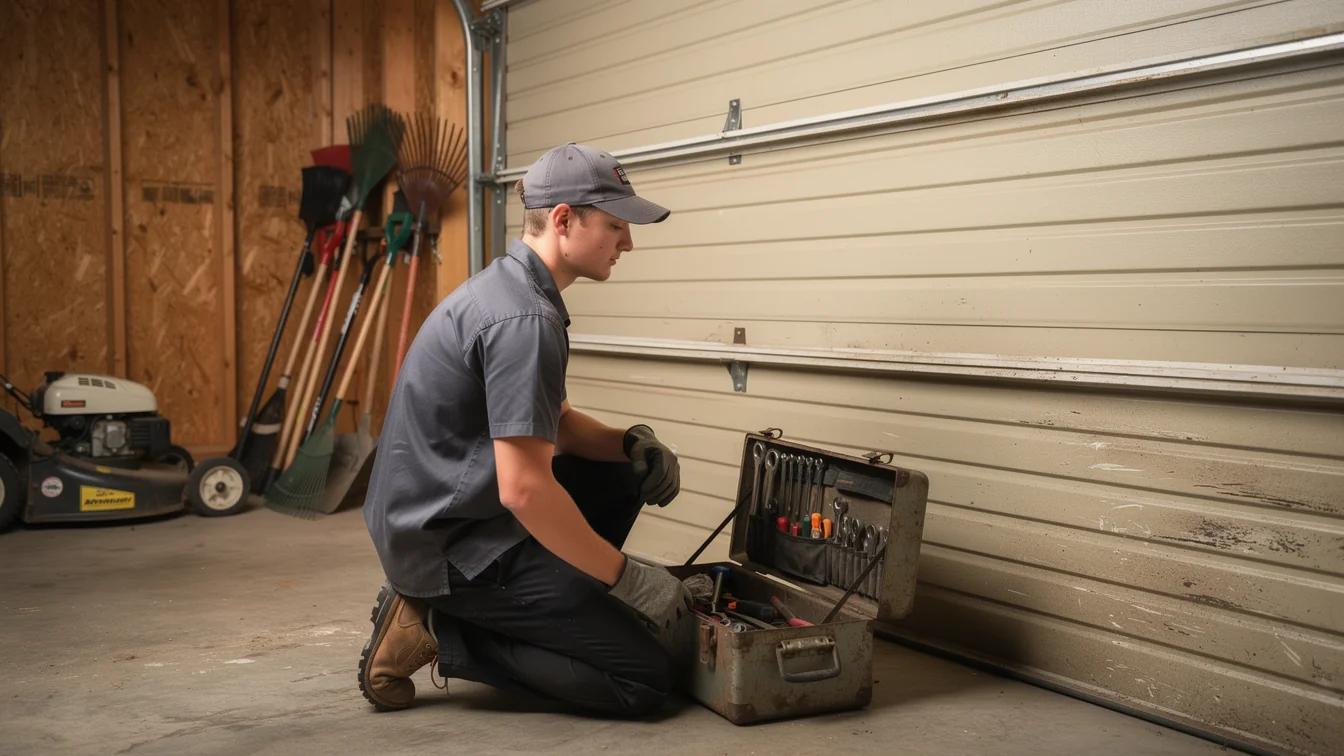 What We Actually Do on a Service Call in Lacey
Lacey homes mostly date 1965-2004, mild climate with occasional freeze.
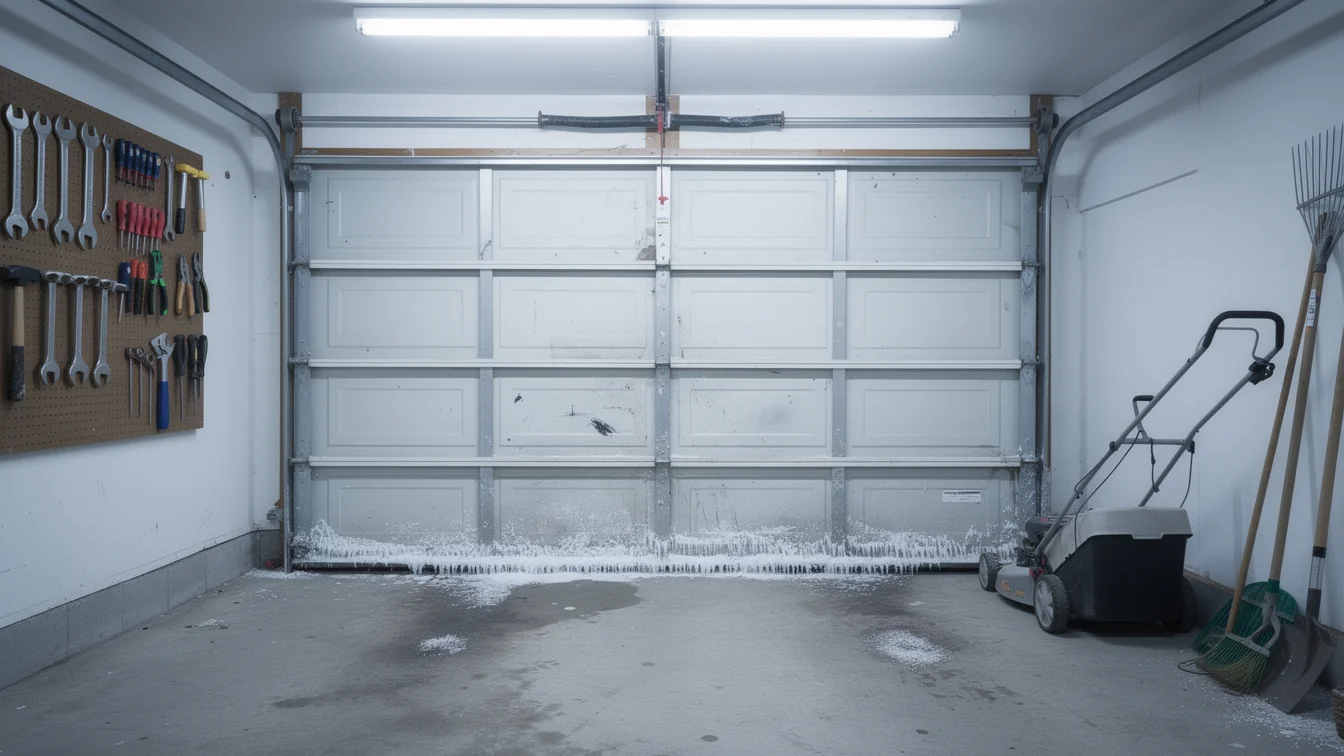 What Lacey's Housing Stock Means for Your Garage Door
Lacey homes mostly date to the 1980s and 90s, built before current insulation and sealing standards.
Ready when you are
Need a garage door sorted in Lacey?
Lacey Garage Door Pros repairs and installs garage doors, springs and openers in Lacey, WA and the surrounding area.